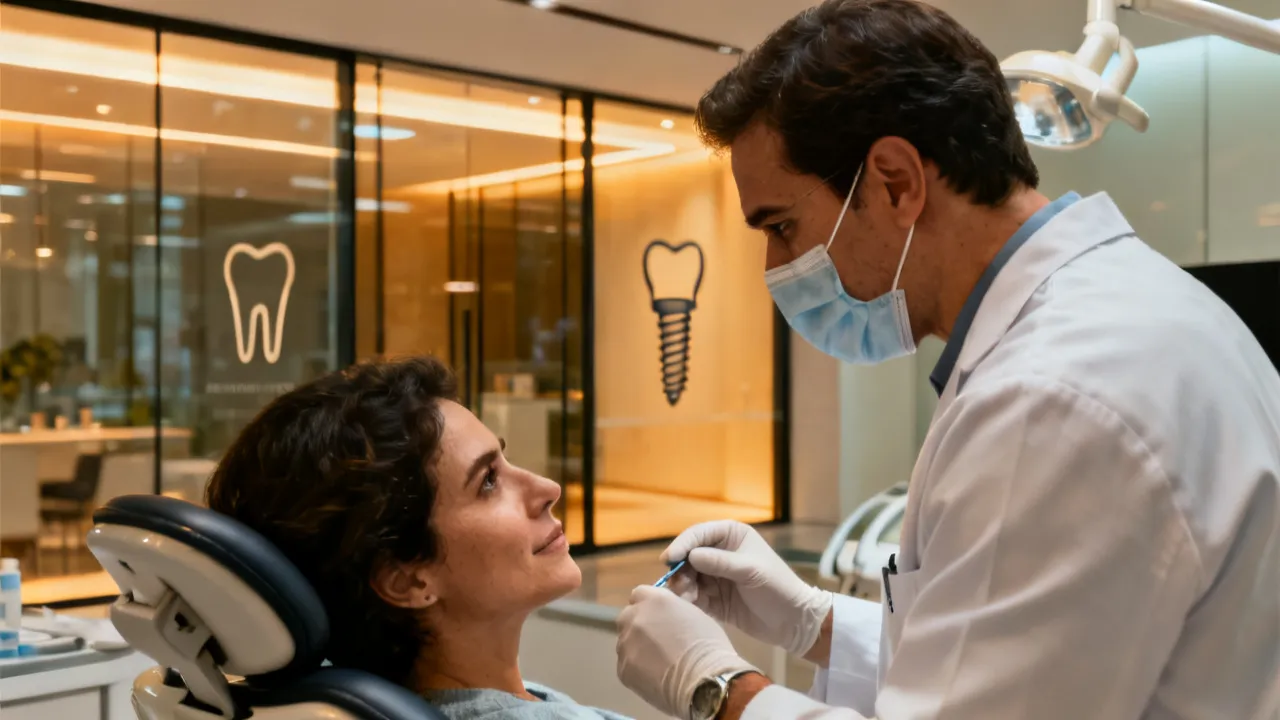
Vitrali Moema Dental Implants: Expert Cost & Options
This guide explains dental implants and how patients can approach lower-cost treatment options, with an expert focus on Vitrali Moema. It also compares online sources for low-cost implant information, outlines practical steps used in English-, Spanish-, and Portuguese-speaking markets, and provides implant price reference ranges across selected countries—plus clear FAQs and professional disclaimers.
1) Vitrali Moema and the clinical context of dental implants
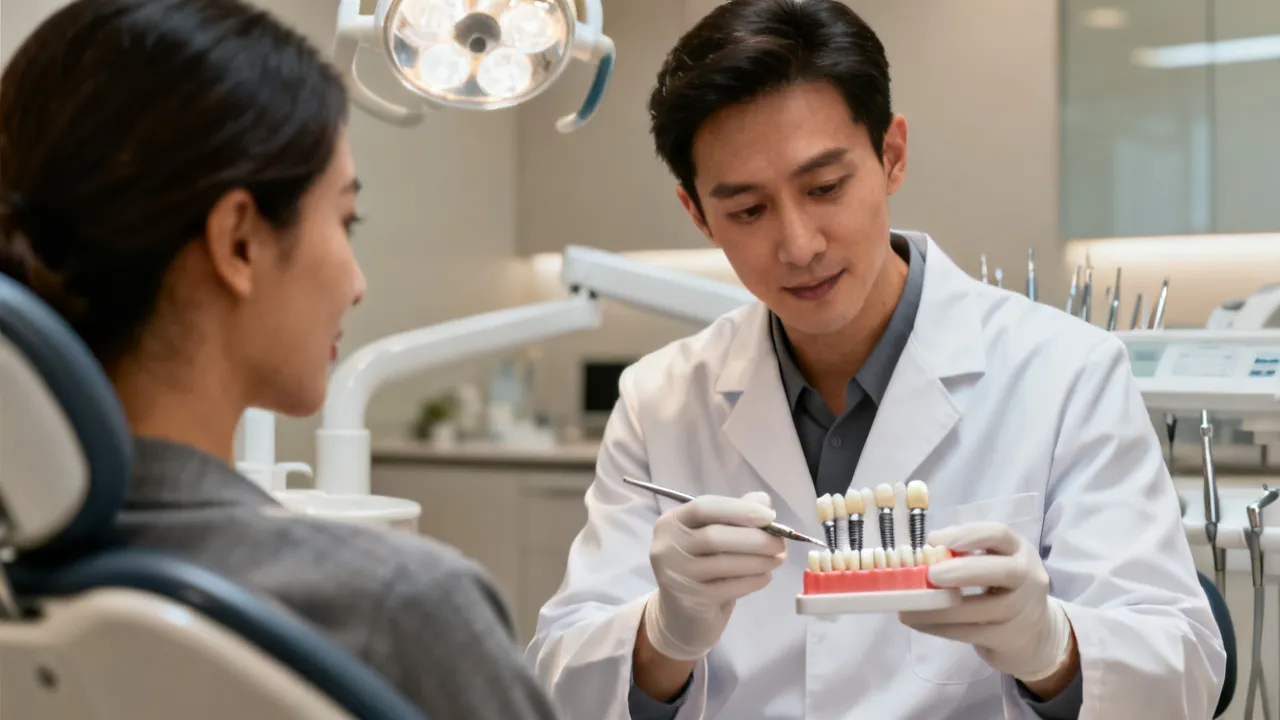
Dental implants are one of the very established solutions for replacing missing teeth, and they require careful planning from diagnosis through placement and restoration. In the Vitrali Moema context—Moema being a well-known neighborhood in São Paulo—many patients look for a balance between clinical quality and affordability. The practical question is rarely “Are implants possible?” and more often becomes: “Which treatment pathway is appropriate for my bone condition, my bite, and my budget—and how can I evaluate the price transparently?”
From an expert perspective, the cost of implants is not just the metal post. It reflects the complete care pathway: imaging and diagnostic work, implant selection, surgical technique, management of soft tissue, prosthetic planning (crowns, bridges, dentures), and follow-up outcomes. When patients focus only on the upfront implant component price, they can miss what drives the total cost. A low initial number can be misleading if it excludes key steps such as pre-surgical imaging, sedation or anesthesia fees, abutments, bone grafting, soft-tissue procedures, temporary teeth for esthetics or function, and post-operative check-ups.
In Moema, where many clinics operate in a high-demand urban environment, patients may also notice variability in how clinics present prices: some quote a single “implant price” while others offer full-package rehabilitation. That difference matters because dental implants are not a single isolated intervention—they are a multi-phase treatment that integrates diagnosis, surgery, healing, and prosthetic craftsmanship. A transparent plan helps you compare “apples to apples,” even when different clinics offer slightly different treatment sequences.
Another practical reality is that the “same” tooth replacement can require different clinical work. Two patients who both need one implant may have very different bone volume, gum thickness, periodontal history, and occlusal load. Even when the final crown looks similar, the internal work may be different: ridge preservation, grafting, selection of implant diameter and length, choice of abutment connection type, and soft-tissue management. These are the items that often determine whether an implant price is truly low because it is efficient—or simply low because it is incomplete.
Finally, affordability in a neighborhood context also includes time and logistics. Implant treatment often requires multiple visits: consultations, CBCT scanning, surgery day, follow-up for healing, impressions or digital scanning, and then crown fitting and adjustments. If a clinic is located conveniently (or offers streamlined scheduling), it can reduce indirect costs like missed work, transportation, or extra visits due to poor scheduling coordination. In other words, cost is not only financial; it is also logistical.
2) What “low-cost dental implants” should mean in practice
“Low-cost” in dentistry is not a single product—it is a combined outcome of planning choices, provider efficiency, and appropriate matching of options to the patient’s clinical needs. In reputable systems, lower cost usually comes from one or more of the following:
- Right-sizing the treatment: choosing implant number, distribution, and prosthesis design based on anatomy and oral health.
- Transparent scope: separating diagnostic fees, surgical fees, and prosthetic fees to avoid surprises later.
- Material and design alignment: selecting implant systems that fit the case—without compromising core safety requirements.
- Payment and coverage planning: using insurance structures, installment arrangements, or structured dental plans where available.
For patients evaluating options in and around Moema, a key professional recommendation is to request a written treatment plan that explicitly itemizes what is included in the quote (consultation, imaging, surgery, abutments, crowns, temporary teeth, anesthesia, and post-operative visits). A quote that only includes the implant fixture and nothing else may appear low on paper, but your total out-of-pocket cost can become higher once the restorative phase is added. In a responsible low-cost approach, the clinic clarifies whether the price includes final prosthesis delivery or whether it is restricted to “implant placement only.”
“Low-cost” can also be associated with using evidence-based protocols that reduce unnecessary steps. For example, not every patient needs bone grafting; sometimes a defect can be managed with an approach that preserves tissue. Not every patient needs immediate temporary teeth if esthetics is not a high priority. Some cases can be scheduled in a way that reduces chair time and decreases administrative delays. However, it is important to distinguish between “efficient” and “cutting corners.” Low-cost should not come from skipping diagnostics, failing to manage infection risk, or rushing healing for complex cases.
To evaluate low-cost offers fairly, ask yourself what the clinic is optimizing. Are they optimizing efficiency and transparent packaging, or are they optimizing marketing language and leaving key components unstated? A well-run clinic will be able to explain why their total cost is lower: perhaps they have a standardized prosthetic workflow, a consistent lab partnership, or streamlined financing. The clinic should still be able to provide individualized clinical reasoning for why their plan is suitable for you.
Additionally, there can be confusion between “low-cost implants” and “mini implants.” Mini implants are different from standard implants; they are smaller in diameter and are intended for specific indications. Some clinics may advertise mini implants as a budget-friendly solution, but the appropriateness depends on bone quality, prosthesis type, load distribution, and the stability achievable. A low-cost claim only holds if the chosen implant type matches the clinical requirement, and if the prosthetic engineering is sound.
Patients sometimes also confuse discount promotions with low-cost planning. For example, a clinic might offer a temporary discount on implant fixtures but then charge extra for abutments, provisional crowns, or additional surgical steps. That is not inherently wrong, but it is not the same as a complete low-cost solution. Your decision should be based on total case cost and clinical appropriateness, not on discount slogans.
3) Professional overview: implant pathway, typical stages, and where costs arise
While every mouth is unique, very implant journeys follow a similar clinical logic:
- Comprehensive assessment: medical history review, oral exam, periodontal evaluation, and imaging (commonly CBCT).
- Treatment planning: determining implant positions, need for bone augmentation or soft-tissue management, and selecting the prosthetic approach.
- Surgical placement: placing implant fixtures and managing immediate or delayed restoration strategy.
- Osseointegration: allowing healing for stable integration (timelines vary by case complexity).
- Prosthetic phase: impression or digital capture, abutment selection, crown/bridge fabrication, and fit verification.
- Maintenance: scheduled hygiene and monitoring, including peri-implant tissue health checks.
In expert consultations, the “hidden” cost drivers often include (a) whether additional procedures are needed, such as bone grafting, (b) how many teeth are being replaced, (c) whether the case is single-tooth or full-arch rehabilitation, and (d) whether a temporary restoration is part of the plan. Even within the same number of implants, costs can differ based on the prosthetic complexity: a single crown is generally less expensive than a full-arch bridge or bar-retained overdenture. Similarly, a case requiring sinus lift, ridge augmentation, or guided bone regeneration tends to increase both clinical time and material needs.
Let’s break down where costs typically arise, in more practical terms. During the assessment stage, imaging like CBCT may be an additional fee beyond the consultation. Sometimes clinics bundle imaging into the consultation price; other times it is separate. Periodontal evaluation and possible scaling or periodontal therapy can also be part of pre-implant stabilization. If active periodontal disease exists, you may need to treat it before placing implants to reduce the risk of peri-implant inflammation and failure.
During planning, a properly designed implant plan may involve digital software analysis, measurements of bone dimensions, and sometimes a surgical guide. A surgical guide can improve accuracy and potentially reduce surgical trauma, but it can add cost. Similarly, decisions about implant connection type (platform switching), abutment system compatibility, and prosthetic screw type may influence overall price.
In surgery, costs may include the implant fixtures themselves, surgical kit and sterile supplies, medications, and—depending on your needs—sedation, local anesthesia, or deeper anesthetic support. If you require extra procedures such as graft harvesting (from your own body) or external graft materials, those items increase the total cost. Some clinics also include post-surgical medication and a certain number of follow-up visits; others charge per follow-up appointment.
After surgery, the timeline matters. Some treatments aim for faster provisionalization (in selected scenarios), while others follow a delayed protocol to ensure osseointegration. Faster doesn’t always mean better. A clinician might recommend a longer healing phase for safer load management. If you want immediate function or esthetics, that may increase cost due to provisional components and lab work. Conversely, if you can accept delayed provisionalization, you might lower cost while still achieving an excellent final outcome.
In the prosthetic phase, the “real craftsmanship” component contributes to cost. Digital impressions or traditional impressions may both be used. The lab work for a high-quality crown or bridge can vary widely in cost depending on materials (zirconia, lithium disilicate, hybrid materials), design, and level of passivity. A well-fitted prosthesis is crucial to minimize complications like screw loosening, wear on implant interfaces, or unnecessary stress on bone. If a clinic’s quote seems low, it is useful to ask: what material is the final crown made from? Is it monolithic or layered? Is there a guarantee for fracture or remakes? These questions help you understand whether “low cost” is achieved through optimized workflow or by using lower-spec prosthetic materials without you realizing it.
Finally, maintenance is often underappreciated. Successful implants can last many years, but they require regular hygiene and monitoring. Peri-implant mucositis (gum inflammation around implants) can occur if plaque management is suboptimal. Over time, untreated mucositis can progress to peri-implantitis. A responsible clinic will include a maintenance schedule and may include a number of follow-up checks within the implant package. If maintenance is not included, you should budget for it separately.
4) Low-cost information sources: what online references tend to cover
When patients search online, they typically find a mix of educational content, clinic marketing pages, and insurance or dental-plan guides. Each category supports decision-making differently. The very useful sources tend to explain the implant process, list common FAQs, and provide practical cost considerations—especially for patients who want affordability without losing sight of clinical appropriateness.
However, it is important to approach online content with a critical mindset. Marketing pages often highlight starting prices or promotional rates without detailing what those prices include. Educational pages may provide a broader overview but can still be general rather than case-specific. Insurance and plan guides help interpret coverage, but they may not explain technical aspects like bone augmentation criteria or prosthetic engineering needs.
For patients in Moema, the best use of online information is to learn what questions to ask and what components should be included in a written quote. For instance, many online resources emphasize that the total cost is not just the implant. If you can identify the categories—diagnostics, surgery, abutments, crowns, temporary teeth, follow-up—then you can compare clinic quotes more effectively.
Also, because patients sometimes search in multiple languages (Portuguese, Spanish, English), different websites may reflect different healthcare systems and pricing structures. A patient comparing Spain to Brazil or the US may misinterpret “low cost” because labor costs, materials supply chains, and insurance models vary. That’s why it’s helpful to use online sources to understand “frameworks” for evaluation rather than using them as exact price lists.
The following categories commonly appear among online references that discuss affordability. The table below reflects typical scope differences by website type.
| Website type & focus | What it typically helps patients compare |
|---|---|
| Educational low-cost implant explainer | General implant benefits, typical treatment options, and cost factors that influence pricing |
| Clinic service overview (multi-service) | How a clinic organizes implant care alongside other treatments, including scheduling and care team context |
| Dental tourism oriented information | Cost comparisons by country and how travel planning may be integrated into treatment timelines |
| Dental insurance / plan guidance | Coverage concepts, plan selection steps, and how patients may reduce out-of-pocket expenses |
| Spanish-language clinical services | Approach to implants and other services, often with communication aimed at Spanish-speaking patients |
| Mini-implant specialization (specialty clinic) | Information on mini dental implants and which scenarios they may be used for |
| Insurance company implant education (Spanish) | Patient-friendly explanation of implant components and treatment expectations |
| Portuguese clinic & plan providers | Local service menus and dental plan approaches in Brazil/Portugal contexts |
source: [www.dentalviews.com](https://dentalviews.com/low-cost-dental-implants/); [www.atlanticdentalgrp.com](https://www.atlanticdentalgrp.com/); [www.dentavacation.com](https://www.dentavacation.com/); [www.rockvilledentalarts.com/es](https://rockvilledentalarts.com/es/); [www.cigna.com/es-us/knowledge-center/guide-to-dental-implants](https://www.cigna.com/es-us/knowledge-center/guide-to-dental-implants); [unioncityminidentalimplants.com/es](https://unioncityminidentalimplants.com/es/); [www.rubiodonto.com.br](https://www.rubiodonto.com.br/); [odontologiavelasco.com.br](https://odontologiavelasco.com.br/); [dentalvidas.com.br](https://dentalvidas.com.br/)
These links are provided as the source of the referenced online-information scope described above.
5) Cost reference ranges for individual dental implants (selected countries)
Because patients often ask for “a number,” it is important to clarify that implant pricing is case-dependent. Nevertheless, the following ranges can help patients understand broad reference points when comparing quotes. These values are presented for individual dental implants only and should not be interpreted as total treatment costs in every scenario.
It is also useful to understand that “individual implant” pricing typically refers to the implant fixture and its immediate surgical placement components. It may or may not include abutments and prosthetic crowns. Some clinics include those in the overall implant rehabilitation quote; others price them separately. Therefore, these ranges should be used only as a starting point for negotiation and comparison, not as final budgets.
| Country | Currency | Price range (individual implant) |
|---|---|---|
| United States | USD | $3,000 - $6,000 |
| United Kingdom | GBP | £2,000 - £2,500 |
| Australia | AUD | AU$3,500 - AU$6,500 |
| Canada | CAD | CA$3,000 - CA$5,500 |
| Spain | EUR | €1,500 - €2,500 |
| Chile | CLP | CLP$800,000 - CLP$1,500,000 |
| Mexico | MXN | $15,000 - $25,000 |
| Colombia | COP | $2,000,000 - $4,000,000 |
| Peru | PEN | S/ 3,000 - S/ 6,000 |
| Argentina | ARS | $80,000 - $150,000 |
| Brazil | BRL | R$3,000 - R$8,000 |
| Portugal | EUR | €1,000 - €2,000 |
| Japan | JPY | ¥300,000 - ¥700,000 |
| Germany | EUR | €2,000 - €3,500 |
| France | EUR | €1,500 - €2,500 |
| Italy | EUR | €1,500 - €3,000 |
6) How to get dental implants at low cost in English-, Spanish-, and Portuguese-speaking countries
Below is a step-by-step, practical guide. It focuses on how patients commonly reduce out-of-pocket costs while preserving clinical standards—particularly relevant to families who want implants without overextending financially.
The guiding principle is that affordability is best achieved by controlling the components of the treatment pathway. If you decide your budget first and then select a clinic that offers a fixed discount, you risk ending up with a quote that excludes key restorative elements. A better approach is to request complete diagnosis and a written plan, then compare full scope quotes against your budget. In doing so, you can identify which components are truly necessary and which could be staged later or designed differently for cost efficiency.
Another principle is to avoid delaying care when it is clinically important. For example, if there is an infection or significant bone loss due to missing teeth, delaying implant planning can increase complexity of augmentation or compromise future restorative options. Low cost should not become high cost later due to untreated issues.
Step-by-step strategy (applies broadly)
- Start with diagnosis, not quotes: request an exam and imaging plan before comparing “prices.” Implant candidacy often depends on bone volume, periodontal health, and bite dynamics.
- Ask for an itemized estimate: verify whether the quote includes imaging, surgery, abutment components, and the final crown (or other prosthesis). If not, ask for the missing items to be priced.
- Discuss all-needed procedures upfront: clarify whether bone grafting, sinus considerations, or soft-tissue procedures are necessary. If you only budget for the implant post, the total cost may rise later.
- Compare treatment plans, not advertisements: two clinics may quote different totals because they propose different clinical pathways (e.g., staged healing versus immediate temporary restoration).
- Confirm material system transparency: ask which implant platform is planned and whether it’s part of a documented system used by the clinic.
- Evaluate follow-up and maintenance: implants require ongoing maintenance. A “lower price” that does not include follow-up monitoring may not be the lowest good cost.
- Use insurance or dental plans where available: if the market has dental insurance/plan structures, check whether implants are covered partially and what documentation is required.
- Consider dental tourism only with planning discipline: if cross-border care is an option, confirm the full timeline (including healing and prosthetic appointments), the contingency plan if delays occur, and how complications are handled.
English-speaking countries: typical low-cost routes
In English-speaking markets such as the United States, Canada, the UK, and Australia, low-cost approaches often involve a combination of transparent pricing, payment plans, and insurance-aligned planning. Some patients also compare domestic clinic offers with dental tourism programs when budgets are tight.
- Insurance navigation: patients may use plan benefits to offset a portion of implant-related expenses if covered.
- Provider comparison: clinics differ in whether they include prosthetic restoration and follow-up in the same package.
- Timing and financing: scheduling around personal cash-flow planning can influence the feasibility of “affordable” options.
In many English-speaking environments, one additional factor is that implant dentistry often involves multiple specialists or lab partners. Some clinics run an integrated team; others refer to specialists. If you are comparing prices, you should ask whether all required steps are in one provider’s care or split across referrals. The splitting can increase overall administrative and travel costs, even if the implant fixture price looks similar.
Another factor is warranty and remake policy. Some clinics provide a warranty for the crown or prosthesis components, while others provide limited coverage. If the prosthesis requires replacement due to fracture, bad fit, or occlusal issues, the difference in warranty can strongly affect long-term cost.
Spanish-speaking countries: typical low-cost routes
For Spanish-speaking regions including Spain, Chile, Mexico, Colombia, Peru, and Argentina, patients commonly find cost relief through clinic networks, insurance education resources, and careful comparison between general dentistry and specialty implant care.
- Localized communication and guidance: clinics may provide Spanish-language explanations that help patients understand what is included in implant care.
- Insurance education resources: educational guides can help patients interpret implant phases and coverage expectations before committing.
- Specialty considerations: some clinics focus on mini dental implant approaches when appropriate, which can influence overall cost for certain cases.
In some Spanish-speaking markets, patients may encounter a wide difference between chain dental practices and specialized surgical implant centers. Chain practices may offer more standardized pricing for basic cases, while specialized centers may have higher fees but include advanced diagnostics, bone management, and prosthetic engineering planning. A “low-cost” decision should consider whether advanced diagnostics reduce the risk of complications or re-treatment.
Patients also benefit from asking for a written description of the treatment steps and number of visits. Some clinics might offer a “low” price with fewer included visits, which can later lead to additional appointments billed separately. Clear documentation helps patients avoid unexpected expenses.
Portuguese-speaking countries: typical low-cost routes
In Portuguese-speaking environments—especially Brazil and Portugal—low-cost paths frequently involve combining clinical consultations with dental plans, where available, alongside clinic comparisons to identify what drives total costs.
- Dental plans and networks: plan structures may reduce routine dental expenses, and patients should verify how implant coverage works in practice.
- Clinic service mapping: evaluating clinic capabilities for implant surgery plus prosthetics helps avoid fragmented care.
- Regional cost awareness: prices can vary by city and clinic model, so patients should confirm that the plan includes post-operative monitoring.
In Brazil in particular, patients may notice that pricing differences can be influenced by lab relationships, prosthetic materials, and whether the clinic offers digital workflows. If digital planning is part of the package, it may improve surgical precision. However, cost savings should be balanced with ensuring the prosthetic design remains stable and comfortable. A stable, well-fit prosthesis reduces long-term maintenance and the likelihood of repairs.
7) Vitrali Moema: what to evaluate when comparing implant offers locally
When patients consider care in Moema, the very valuable comparison factors are usually clinical and operational rather than purely promotional. An expert checklist often includes:
- Imaging quality: CBCT or equivalent diagnostic imaging where indicated.
- Written treatment plan: includes number of implants, planned prosthetic type, and staging approach.
- Bone and soft-tissue management: whether augmentation is required and how it affects both timeline and cost.
- Prosthetics coordination: who fabricates and verifies the crown/bridge/denture fit.
- Follow-up schedule: post-surgery visits, suture care if applicable, and good peri-implant maintenance.
- Complication policies: ask how the clinic handles issues such as infection management, healing delays, and prosthetic adjustments.
Because implant success depends on more than placing a fixture, a quote that seems “too low” may be missing required diagnostics, staging, or restorative components. Conversely, a higher quote may reflect a more comprehensive plan—so the goal is comparability.
To make comparisons simpler, request that each clinic provide the same categories in writing. A practical approach is to ask for a “phase breakdown”:
- Phase 1 (diagnosis): consultation, clinical exam, imaging, periodontal evaluation.
- Phase 2 (surgery): sedation/anesthesia, implant placement, grafting if needed, post-op medication and immediate follow-up visits.
- Phase 3 (healing/provisionalization): temporary teeth if included, interim follow-ups.
- Phase 4 (prosthetics): abutments, impressions/digital scan, lab fabrication, crown/bridge delivery, adjustments.
- Phase 5 (maintenance): number of maintenance visits included, recommended hygiene protocol.
Clinics that cannot or do not want to provide structured documentation may be more likely to create confusion around pricing. This does not automatically mean poor quality, but it can be risky for patients trying to maintain budget control and clear expectations.
Another local factor in Moema is the coordination of multidisciplinary care. Some cases need collaboration between implant surgeons, prosthodontists, and sometimes periodontists. If the clinic is integrated, you may reduce time and administrative friction. If care is split into referrals, the overall project may take longer. Longer timelines can increase indirect costs even when the direct cost looks manageable.
Also consider communication quality. Implant treatment has technical details, and you need to understand what is being planned. For example, you should know whether a healing abutment is placed immediately, whether a surgical guide is used, and what type of prosthesis is designed to manage occlusion. If you do not understand the plan, it becomes harder to evaluate whether a quoted price truly matches the scope of care.
Finally, you should ask about outcomes monitoring. Many successful implant practices use protocols for assessing soft tissue health, implant stability, and occlusal fit. Monitoring can include periodic reviews and professional cleaning schedules adapted to your risk level. A clinic that includes a maintenance plan in the quote may represent better long-term value than a clinic that focuses only on surgery.
8) Mini dental implants and alternatives: when “different” can mean “appropriate”
Some specialty clinics promote mini dental implants (often relevant in selected cases). From a professional standpoint, the key question is not whether mini implants are cheaper by default, but whether the design matches the clinical need. Smaller fixtures may be considered in certain rehabilitation scenarios, yet outcomes depend on bone quality, loading considerations, and restorative planning.
Patients should ask how the provider determines whether mini dental implants are suitable and what prosthetic approach is planned to distribute forces safely.
To understand the cost discussion, it helps to differentiate indications. Standard implants are typically larger in diameter, designed for higher load distribution and a broader range of restorative possibilities. Mini implants can sometimes support certain overdenture designs or specific restorative strategies, often with a less invasive approach in terms of certain surgical steps. Because mini implants might be paired with simpler prosthetic designs in certain cases, they can appear more affordable.
However, the decisive factor is not price; it is whether the implant-abutment-prosthesis system can function under your occlusal environment. If the bite exerts lateral or excessive forces, a less robust implant design might not handle the load as predictably. Additionally, the long-term maintenance and fit adjustments might differ depending on implant design and prosthetic structure.
Some clinics market “mini implants” as an automatic solution for people who cannot afford standard implants. That is not an appropriate clinical promise. Affordability can be achieved through staging, prosthetic simplification, or other cost-control methods, but a proper evaluation should still guide the choice.
Alternatives to mini implants can also include conventional standard implants with bone augmentation, removable dentures with implants for overdenture support, bridges supported by adjacent teeth plus partial implants, or orthodontic alignment strategies to improve prosthetic conditions. Each alternative has its own cost structure and trade-offs. Your best low-cost option is usually the one that is clinically appropriate and reduces the chance you will need additional re-treatment later.
If a clinic proposes mini implants, you should ask pointed questions:
- What is your diagnosis and bone condition that supports mini implant selection?
- What prosthetic design is planned (overdenture type, attachment system, or single-tooth solution)?
- What are the loading assumptions for your bite?
- What is the maintenance schedule and expected need for adjustments?
- What is the contingency plan if the mini implant does not integrate or fails to achieve stability?
Those answers help you decide whether mini implants are a budget-friendly match to your situation—or a cost-saving measure that may not be optimal.
9) Dental insurance and plan guidance: using coverage strategically
Insurance frameworks and dental plans vary widely across countries. However, the decision pattern is similar: coverage may exist for parts of the process, documentation may be required, and pre-authorization may apply to procedures categorized as major services.
In English- and Spanish-speaking markets, insurance education guides often help patients understand:
- how implant stages are structured in coverage terms,
- how deductibles and annual limits apply, and
- what questions to ask before treatment begins.
For patients near Moema, it is still useful to treat insurance as a planning input rather than as a guarantee of affordability. Always request itemized estimates and confirm which components are covered.
To make insurance planning effective, you can request pre-authorization or benefit verification. This might involve submitting a treatment plan and documentation. Sometimes insurance covers the prosthetic component more consistently than it covers the surgical fixture. Other times, it covers only diagnostic imaging. By understanding what is covered, you can plan your budget more accurately.
Another important factor is coding. Insurance often uses dental codes to classify the procedure. If the clinic uses codes in a way that aligns with your plan, you may receive more coverage. If codes are unclear or do not match, you may end up with delayed reimbursements or denials. Ask your clinic how they typically handle insurance documentation and what you can do to speed approval.
Also consider the timeline and payment order. Some plans require that you pay upfront and then reimburse later. Others can discount at the time of service. Knowing which model applies can affect whether low-cost installments are feasible.
In addition to insurance, many patients in Brazil and Portugal consider dental membership plans or installment plans offered through clinics. The terms matter: is it a fixed price for certain steps, or does it require separate payments per phase? Are there penalties for cancellation? Is there a guarantee that the final prosthesis will be provided within the planned timeline? Clear terms reduce the chance of “hidden” costs.
10) Dental tourism as a cost-management option: benefits and risk controls
Dental tourism can sometimes reduce costs when treatment prices are lower in other locations. Educational tourism-oriented resources generally discuss cost differences, traveling logistics, and comparative pricing by country. From an expert risk-control perspective, the very important safeguards are:
- Timeline mapping: align travel dates with healing and prosthetic appointments.
- Continuity of care: determine who monitors healing and what happens if complications arise.
- Documentation: keep operative notes, implant serial numbers, and prosthetic specifications for future reference.
- Local coordination: confirm follow-up care near home after returning.
For many patients, local care in the São Paulo area may be simpler because it reduces travel complexity during healing. But for those who are comparing international options, tourism can be considered—provided planning discipline is rigorous.
Dental tourism can be attractive if the surgery and prosthetic phase can be scheduled within a travel window. Some protocols allow a relatively compact timeline, especially for selected cases. Yet, many implant pathways require staged healing and longer visits spread over months. If a clinic abroad cannot manage follow-up properly—either due to distance or lack of coordination—risk increases.
Patients should also be aware that complication management can be more complex across borders. If an implant fails to integrate or if peri-implant inflammation develops, you may need additional visits for treatment adjustments, potential replacement, or grafting. Without clear communication and documentation, managing complications at home can be challenging for your local dentist or specialist.
Another factor is the difference in warranty and post-treatment support. Some international providers offer warranty terms, but those terms might be limited to certain timeframes and can vary by procedure type. Always ask what happens if the prosthesis fractures, if the bite needs adjustment, or if the implant requires additional intervention.
If you consider dental tourism, you can mitigate risk by using a structured checklist. For example:
- Request a written clinical plan with dates, stages, and what is included.
- Ask for implant brand and model, implant serial numbers, and prosthesis type.
- Request a copy of imaging (CBCT data where possible) and surgical notes.
- Confirm who will perform the final prosthetic fitting and occlusal adjustment.
- Plan for at-home follow-up with a local clinic and ensure they are willing to accept the case documentation.
By doing so, dental tourism becomes less about “finding a cheap price” and more about structured planning. The goal is to maintain the clinical integrity of the implant pathway despite geographic distance.
11) Vitrali Moema and multilingual patient communication
Implant care is detailed, and misunderstandings can be costly. In multi-ethnic urban environments, patients benefit from clinics that can explain procedures clearly and align expectations. While Vitrali Moema’s specific communication approach may vary, the professional principle is universal: patients should receive clear explanations of risks, alternatives, and aftercare instructions in a language they understand.
For affordability, communication matters because misunderstanding can lead to unplanned decisions. For example, a patient might agree to a treatment plan without realizing that bone grafting is expected or that a temporary crown is not included. Later, the patient may feel “surprised” by additional charges. When communication is clear from the start, patients can make informed decisions and budget more effectively.
Multilingual support can also help with consent and post-operative instructions. After implant placement, patients receive guidance on wound care, hygiene steps, medication use, dietary limitations, and signs of potential complications. If instructions are not understood, the risk of poor healing can increase. That can increase costs through additional appointments, re-evaluation, or extended healing timelines.
In practical terms, ask whether your clinic can provide written instructions in your language. Also ask whether the clinic can explain the treatment timeline and staged steps in an understandable format. A well-run clinic might provide a simple schedule with key dates: surgery day, follow-ups, impressions/scans, delivery date, and maintenance visits.
When comparing clinics in Moema, you can evaluate communication quality by asking for clarity on the following:
- What is the purpose of each step in the pathway?
- Which steps are optional and which are necessary?
- What are the risks and alternative treatments?
- What are the expected timelines and what changes them?
- What aftercare is required and for how long?
If you feel rushed or unclear, ask for written documentation or request additional time. Clear communication is not a “nice-to-have”; it is part of safe and affordable care.
12) FAQs: expert answers for implant patients seeking affordability
Q1: Are dental implants always the top solution for missing teeth?
No. The top option depends on anatomy, periodontal health, neighboring teeth condition, occlusion, and patient preferences. Alternatives may include removable dentures or bridges, and in some cases, orthodontic or grafting approaches are considered. A comprehensive exam is essential before choosing an implant plan.
Affordability also depends on whether implants are the most cost-effective long-term strategy for you. In some cases, a bridge supported by adjacent teeth might be cheaper initially and adequate for a patient who is not a strong implant candidate. In other cases, implants may be more expensive but offer better long-term stability and function. The “best” choice depends on individualized risk factors, not only on upfront budget.
Q2: Why do two quotes for dental implants differ so much?
Quotes vary because they may include different scopes: imaging, surgical technique, the number and type of implants, whether bone grafting is needed, abutment components, the prosthesis design, temporary restorations, and follow-up visits. A “low” number can increase if additional procedures are required later.
Sometimes the difference is also due to prosthetic material choices and manufacturing workflows. One quote may be for zirconia crowns, another for a different material with different durability. Another may include digital scanning and a certain type of abutment. Without itemization, it is hard to know whether the discrepancy is justified clinically or simply marketing.
Q3: Does “low-cost” mean lower-quality materials?
Not necessarily. Some lower-cost plans result from efficient workflows or appropriate clinical selection. However, you should confirm the implant system being used, what is covered in the restorative phase, and how outcomes are monitored over time.
In practice, material quality and fit quality matter. Even a high-quality implant fixture can fail if the final prosthetic component creates harmful stress or poor hygiene access. Therefore, ask not only “what implant brand?” but also “what crown/bridge material?” and “what is included for maintenance?”
Q4: What information should I ask Vitrali Moema (or any clinic) before paying?
Request an itemized treatment plan, imaging requirements, implant system details, staging timeline, prosthetic type, total estimated cost breakdown, and a follow-up/maintenance schedule. Also ask what is included for complications and adjustments.
Beyond that, ask about warranty and remake policy for the prosthesis. If the final crown requires remaking due to fit problems, you want clarity on whether the clinic covers that cost. Ask for a written explanation of what is covered and what would be charged separately.
Q5: How long does the implant process usually take?
Timelines vary by case complexity—especially if bone augmentation or soft-tissue procedures are required. Your provider can offer a case-specific schedule after diagnostic imaging and planning.
Some patients also underestimate how long maintenance and occasional adjustments can take after delivery. Even after the crown is placed, there may be follow-ups to check occlusion and tissue response. That is part of successful outcomes, and it should be included in the care pathway.
Q6: Do mini dental implants reduce cost?
They can in selected cases because the approach may be less invasive. But suitability depends on bone volume, loading conditions, and restorative design. “Cheaper” only applies if the clinical outcome is appropriate for your specific case.
A more complete affordability question is: does the mini implant approach reduce the need for bone grafting, and does it reduce the complexity of prosthetic work? If it does, cost can decrease. If it leads to more frequent maintenance or more complicated prosthetic adjustments, the overall value may be less favorable.
Q7: Can dental insurance help with implants?
In some markets, insurance plans may cover parts of implant-related care, but coverage definitions differ. Patients should check the plan documents, confirm whether implants are considered major services, and ask about pre-authorization requirements.
Also ask whether insurance covers implants and the prosthetic components equally. Often, prosthetic components might be partially covered while the surgical component is not. A clear estimate will prevent inaccurate budget assumptions.
Q8: Is dental tourism a reliable way to reduce implant costs?
It can be, but only with structured risk control—timeline planning, documentation of implant and prosthetic specifications, and a clear complication pathway. Always ensure you can get adequate follow-up care after returning home.
Additionally, consider whether you will be able to access emergency care abroad if something happens soon after surgery. That may not be feasible in all travel situations, which is why local care can be simpler despite slightly higher prices.
Q9: What are the main cost drivers beyond the implant post itself?
Common cost drivers include imaging and diagnostics, surgery complexity, bone grafting needs, abutments, crown/bridge fabrication, temporary teeth (if included), anesthesia/sedation considerations, and post-operative follow-up and maintenance.
Other cost drivers can include the number of appointments and time for the lab to fabricate the prosthesis. Some clinics offer faster timelines but may charge more for expedited lab work or materials. Understanding scheduling constraints helps align expectations and budget.
Q10: How can I compare clinics fairly when seeking low-cost implants?
Compare the full treatment plan scope and outcomes monitoring, not just the final price. Ask for the same level of itemization, confirm what components are included, and ensure the provider’s follow-up program is clear.
To compare fairly, you should also ask about clinical protocols for risk management: what they do if there is infection, how they handle healing delays, and how they confirm osseointegration before prosthetic loading. These items reflect quality and can affect costs if complications arise.
13) Conditions and requirements to ensure affordability with safety
To pursue lower-cost implant treatment responsibly, patients should expect certain prerequisites and requirements—both clinical and administrative. These are commonly used in reputable pathways across many countries.
- Clinical suitability: periodontal health, adequate bone or a plan to manage bone deficiency, and a restorative plan that matches occlusion.
- Documented diagnostics: imaging and exam findings recorded prior to treatment.
- Itemized financial clarity: written estimate that separates implant components, surgical fees, and restorative/prosthetic costs.
- Aftercare plan: clear post-operative instructions and scheduled follow-up visits.
- Good maintenance: peri-implant health monitoring and professional hygiene schedules.
- Administrative readiness: if using insurance or plans, confirm documentation requirements before starting treatment.
Safety and affordability are linked because skipping safety steps can increase the likelihood of failure, complications, or the need for retreatment—usually costing more than the initial savings. For example, if someone places implants without adequate imaging, there is a risk of misplacing the implant relative to bone dimensions or anatomical structures. If a patient’s gum disease is not controlled before surgery, inflammation can undermine stability.
Similarly, affordability includes correct timing. If you rush prosthetic loading before adequate integration, you can face complications. A reputable clinic will use a time line adjusted to your bone density, implant stability goals, and the restorative plan. That may not always look “fast,” but it can prevent costly rework.
Administrative safety also matters. If insurance requires pre-authorization, delaying paperwork can lead to denials. Clear administrative steps prevent late-stage surprises and help you budget.
Finally, affordability must include knowledge of your own responsibilities. Implants require daily home hygiene. If you are unable or unwilling to maintain hygiene, your risk increases. A clinic might recommend supportive therapy, professional cleanings, and tailored hygiene instruction. Those steps can raise short-term costs, but they protect the investment.
14) Practical “decision framework” for patients in Moema and similar urban areas
If your goal is affordability without losing sight of good success, use a simple framework:
- Confirm suitability: invest first in diagnostics that determine whether implants are appropriate.
- Standardize comparisons: require itemized quotes across clinics so like-for-like decisions are possible.
- Map the total journey cost: include prosthetics, possible grafting, and follow-up in your budgeting.
- Plan payment or coverage: explore dental plans, insurance frameworks, or installment arrangements where available.
- Assess continuity: ensure there is a follow-up strategy—especially if you choose dental tourism.
In this approach, Vitrali Moema becomes not just a location to search, but part of a structured decision process where clinical planning and affordability are evaluated together.
To operationalize this framework, you can create a checklist before attending consultations. Bring a notebook or digital document with fields for:
- What diagnosis did the clinician identify?
- What imaging is needed and why?
- What implant type and prosthetic type are proposed?
- What additional procedures might be needed (grafting/soft tissue)?
- What is included in the quote for each phase?
- What is not included and will be billed separately?
- What follow-up visits are scheduled and included?
- What is the warranty/remake policy for prosthetic components?
Then compare the clinics on the same categories. This reduces the risk that you choose a cheaper option that is only cheaper because key components are missing from the quote. It also helps you negotiate with clinics: you can ask whether they can match a budget by adjusting the plan responsibly (for example, staging procedures or selecting a different prosthetic material), rather than simply cutting off necessary care.
When you apply this method consistently, you are more likely to find a low-cost path that still meets clinical standards. That is the real goal of “low-cost dental implants”: not merely paying less, but paying appropriately for a complete implant pathway that respects safety, function, and long-term maintenance.
Disclaimer
1). The above information comes from online resources, and the data is as of October 2023.
2). Dental implant prices are for reference only and may vary by region, clinic and doctor.
Reference links
[1] https://dentalviews.com/low-cost-dental-implants/
[2] https://www.atlanticdentalgrp.com/
[3] https://www.dentavacation.com/
[4] https://rockvilledentalarts.com/es/
[5] https://unioncityminidentalimplants.com/es/
[6] https://www.cigna.com/es-us/knowledge-center/guide-to-dental-implants
[7] https://www.rubiodonto.com.br/
[8] https://odontologiavelasco.com.br/
[9] https://dentalvidas.com.br/
-
1
A Guide to Cost-Efficient Small Electric Cars for Seniors
-
2
Mastering Debt Consolidation: Boost Your Credit Score and Manage Interest Rates
-
3
Your Guide to Loans, Credit Checks, and Interest Rates
-
4
Affordable Independent Living: Finding the Right Senior Housing
-
5
Guide to Senior Living Apartments: Affordable and Comfortable Environments