Government Phone Programs: Providers and Application Guide
This guide explains how to access government-supported phone service through major Lifeline and related programs, including SafeLink Wireless, Assurance Wireless, StandUp Wireless, Access Wireless, and True Wireless. It reviews what each provider typically includes, who qualifies, and the practical steps to apply, while using objective, official-program criteria. Contact numbers and provider websites are referenced for clarity.
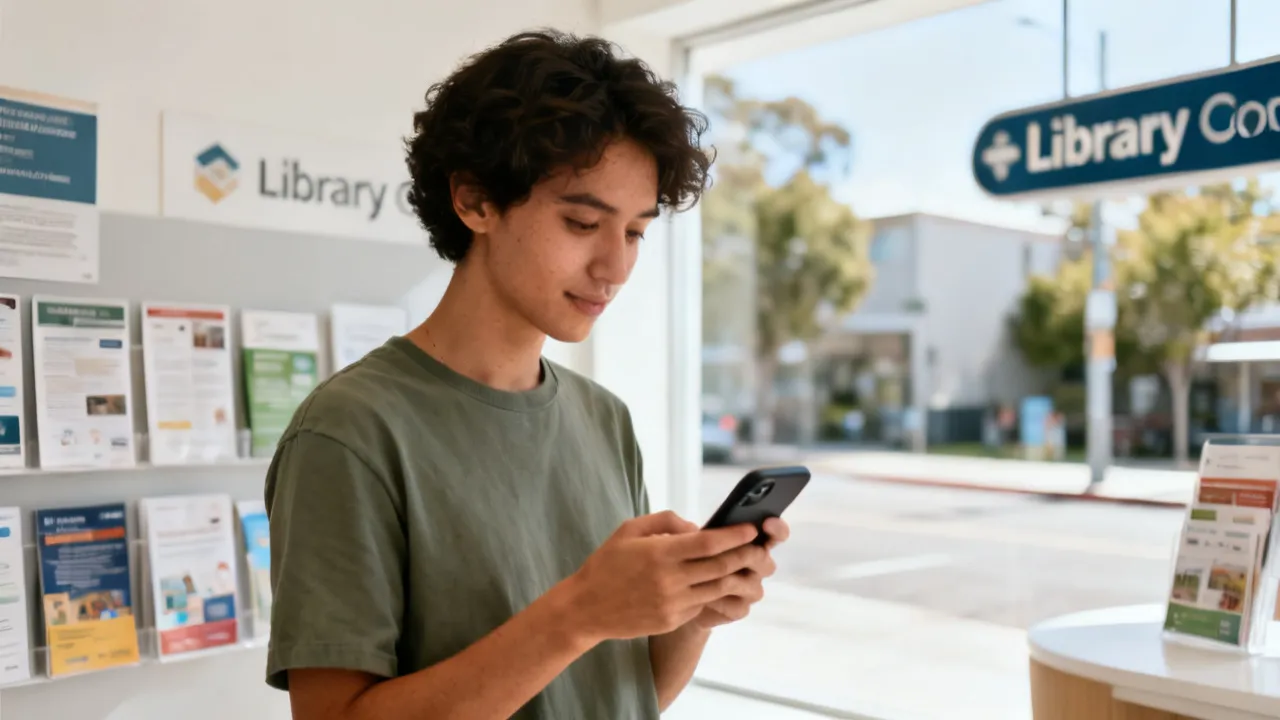
Quick Take: Choose a Provider, Confirm Eligibility, Then Apply
If you’re looking at 02380476573 alongside government phone options, your top next step is not to “guess” a provider’s plan—it's to confirm eligibility and follow the official application workflow. In the U.S., programs such as Lifeline (and, in many areas, ACP) are administered through network providers like SafeLink Wireless, Assurance Wireless, StandUp Wireless, Access Wireless, and True Wireless. These programs are designed to help eligible households obtain service, generally including voice and text, plus data allowances that may vary by plan and state.
For readers comparing “government phone” offerings, the very important factors usually are: (1) whether the provider offers a service type that fits your usage, (2) whether your household meets income or program participation criteria, and (3) whether the application requires documentation you can quickly provide.
In other words, the smartest workflow usually looks like this: choose a provider you can apply with, verify which eligibility path applies to you, and then complete the steps exactly as instructed. When you do it this way, you reduce delays, resubmissions, and the risk of buying or switching devices before you know which path you qualify for.
At-a-Glance: Major Providers Offering Government-Supported Service
Below is an objective comparison of provider websites and the service package structure you typically see under government-supported programs. Because plan features can change based on state rules, eligibility verification outcomes, and device selections, treat these as common inclusions rather than promises for every applicant.
| Provider (Official Program Site) | Common Services Included | Potential Additional Costs |
|---|---|---|
| SafeLink Wireless | Unlimited talk and text; data allowances under the government-supported program; often a affordable smartphone or bring-your-own-device option (depending on eligibility and availability) | Premium device upgrades; additional data or service add-ons may require payment |
| Assurance Wireless | Unlimited talk and text; data allowance(s) under program terms; frequently a qualifying Android smartphone option | Optional upgrades for higher-speed data or additional services; international features may be paid options |
| StandUp Wireless | Unlimited talk and text; data plans under program terms; affordable smartphone or BYOD options may be available | Upgrades to premium phone models; extra data packages may be available for a fee |
| Access Wireless | Unlimited voice and text; limited high-speed data under qualifying program benefits | Data boosts and device upgrades may require payment |
| True Wireless | Program-supported phone service including voice and data under eligibility terms; a qualifying device may be included for those who qualify | Optional upgrades to better devices or additional data plans may be available for payment |
source: www.safelinkwireless.com
source: www.assurancewireless.com
source: standupwireless.com
source: www.accesswireless.com
source: www.gotruewireless.com
Source note: The comparison above is based on the providers’ publicly described program offerings and typical structure of government-supported plan inclusions. Specific availability, data amounts, and device choices can vary.
Because many people search these pages from mobile devices (and often on slower connections), it’s a good habit to open the provider site, locate the “Apply” or “Check Eligibility” button, and then keep that page open while you gather documents. Trying to switch tabs repeatedly while filling sensitive fields can lead to mistakes—especially with addresses, names, and household member information.
Why These Programs Exist (Industry Context)
In telecom policy and consumer markets, “lifeline-style” affordability programs address a persistent affordability gap for low-income households. From an industry perspective, the program design typically balances affordability with network sustainability: eligibility verification reduces improper enrollments, and service bundles are constrained to levels that remain within program budgets.
As a consumer, the practical implication is straightforward: you’ll get the very efficient result when you treat this as an eligibility-first workflow rather than a plan-shopping exercise.
It’s also helpful to understand that “government phone” isn’t a single universal plan with identical terms everywhere. Instead, it’s a structure where eligible applicants receive a qualifying service bundle through an approved provider and the applicable regulatory rules. This is why the same provider can feel different across states: network partners, device supply, and data definitions can differ depending on local implementation and program guidance.
Another reason these programs exist relates to emergency and everyday connectivity. In most communities, telecommunication isn’t just “for entertainment”—it’s how people coordinate work schedules, manage school communications, handle medical appointments, receive verification codes, and stay safe in emergencies. Lifeline-style support is meant to keep the “always-on” communication piece available even when a household’s budget is tight.
Eligibility Requirements: What Usually Determines Approval
Although each provider may use its own application portal and documentation instructions, the core eligibility framework is generally aligned with Lifeline and, in many contexts, ACP-related guidance.
- Income thresholds: Many Lifeline determinations are tied to income at or below 135% of the federal poverty guidelines. ACP-related support often relates to 200% of the federal poverty guidelines (where applicable).
- Program participation: Households may qualify via participation in programs such as Medicaid, SNAP, SSI, and FPHA (exact mappings can differ by household and provider workflow).
- Tribal eligibility: Residents on Tribal lands may be eligible for additional benefits depending on the applicable rules.
Important: Providers may run eligibility checks through approved verification mechanisms and will request documentation if needed. If any step fails, you may be asked to correct or resubmit information.
To avoid common “mismatch” issues, pay close attention to the exact spelling of names and the exact address format. For example, an application might require a unit number exactly as shown on a government or benefits document. Even small differences—like using “St.” instead of “Street” or omitting an apartment/unit number—can sometimes delay approval.
Also, consider that household definitions matter. Many programs evaluate eligibility at the “household” level, which can include people who share finances and/or live at the same address under the relevant rules. If you list the wrong household members or provide incorrect eligibility identifiers, you may be flagged for follow-up.
Finally, remember that these programs generally prohibit duplicate enrollment in the same household. If you already have Lifeline service through another carrier or program, you may need to update or coordinate enrollment—otherwise, the system can treat it as an improper duplicate and deny the application.
Conditions and Requirements: How to Get a Government-Supported Phone and Apply
Below is a step-by-step, objective workflow based on common practices across the major providers mentioned. You should still follow the exact instructions shown during your application, because documentation requirements and available options can vary.
1) Confirm You Meet Program Criteria
Start by checking whether your household qualifies through income or program participation. If you already receive benefits like SNAP or Medicaid, that often becomes the fastest route for verification (subject to provider mappings).
If you’re unsure, treat the provider “Check Eligibility” tool as a starting point. These tools are designed to quickly identify which households can move forward without manually calculating thresholds. That said, even if a tool indicates you might qualify, you still need to complete the application correctly and be ready to provide documentation if requested.
When confirming criteria, also ask yourself practical questions that impact which service approach you want:
- Do you want to keep your current phone number?
- Do you want to keep your current handset (BYOD), or would you prefer a qualifying phone shipped through the program?
- Do you primarily need calling and texting, or do you need data for email, maps, job applications, or school apps?
These questions don’t replace eligibility requirements, but they help you choose the best path once eligibility is confirmed.
2) Gather Documents and Account Details
Depending on your eligibility path, you may need one or more of the following types of information:
- Proof of eligibility (such as benefit enrollment information or income documentation, as requested)
- Identification details required by the application
- Residential address information
From an expert standpoint, the top applications are the ones where the entered data matches the documentation exactly—names, addresses, and eligibility identifiers—because verification systems often run strict comparisons.
To make the process smoother, create a “ready-to-apply” folder on your phone or computer with scanned screenshots or photos of documents (if allowed), or keep the original documents accessible. Many people run into delays because they start the application, get interrupted, and then later return without the details they entered previously.
Also watch for formatting requirements. If the application requires uploading a document image, the portal might specify acceptable file formats (like JPG or PNG) and maximum file sizes. Before you upload, double-check that your photo is clear and shows the critical fields (names, dates, program identifiers). Blurry screenshots can cause verification failures.
If you’re applying on mobile data, consider doing it in a location with stable connection or using Wi-Fi. Slow connections can cause the application upload step to time out, which can be frustrating when you’ve already spent time filling out the fields.
3) Choose a Provider and Service Type
Select a provider—e.g., SafeLink Wireless, Assurance Wireless, StandUp Wireless, Access Wireless, or True Wireless—and confirm whether your situation supports a qualifying device (often a smartphone) or a bring-your-own-device option.
At this stage, you should also review whether you want voice-only behavior, standard usage patterns, or a data allowance that better fits your schedule (commuting, job searching, school communication, and so on).
When comparing providers, you can think of the decision in terms of your personal “risk tolerance” and “comfort level”:
- If you want the simplest route: Choose a provider that offers a straightforward qualifying device pathway where you follow their instructions and wait for shipping/activation.
- If you’re tech-comfortable and want to keep your phone: Look for BYOD compatibility requirements and verify your phone model and network settings.
- If you rely heavily on data: Focus on how the plan’s high-speed vs reduced-speed data is defined, because some plans include a limited high-speed allotment and then throttle speed after usage.
Because users sometimes assume all “government-supported” plans are identical, it’s wise to treat the provider page as your source of truth for the exact data behavior and device compatibility rules that apply to your situation.
4) Complete the Online Application
Very of these providers use online application forms. You’ll typically enter household information, choose how you qualify, and upload documents if requested. Some workflows may also use a national verification process.
When filling out the application, use the same device and location each time if possible. Consistency reduces the chance of accidentally entering different information. It’s also important to avoid “guessing” missing details. If the portal asks for something you don’t know (for example, an eligibility identifier), stop and find it before proceeding.
Also, if you see optional steps, consider reading them carefully. Some portals show add-on upsells or related plans. Your goal is to complete the qualifying application correctly and avoid enrolling in something you did not intend to purchase.
5) Respond to Verification Requests Promptly
If your application requires follow-up, speed matters. Delays can slow approval or trigger a need to resubmit. Keep an eye on any status notifications.
Verification requests often come in the form of a message asking for updated documents or additional information. The most important part is responding before deadlines. If you miss the window, the application might expire or require you to restart.
When you respond, re-check that you uploaded the correct document and that it corresponds to the eligibility route you selected. For example, if you indicated qualification through SNAP but then submit a document that shows only Medicaid (or vice versa), the verification team may still reject the application.
6) Activate and Maintain Compliance
Once approved, activation steps will be provided. In general, you’ll need to comply with program rules and maintain eligibility—meaning if household income or program participation changes, you may be required to update information.
Activation can include steps like confirming an address for shipping, completing SIM/phone activation, and verifying your identity. If you receive a new phone, follow the setup instructions carefully—especially regarding the initial activation process.
Maintenance matters because eligibility programs can require periodic re-verification. If you move, change household composition, or your income changes, you may be asked to update your information. Keeping records of your eligibility documents can reduce stress during re-certification.
7) Use Customer Service Responsibly
If you encounter issues, contact the provider through official channels. If you’re considering using 02380476573 as a reference point, treat it as a “contact detail you should verify,” not as a substitute for official provider instructions.
It’s worth saying explicitly: be cautious when someone (or some page) encourages you to share personal information through unknown channels. The safest approach is to use the customer service number and contact methods listed on the official provider site and to verify any number you plan to call.
Many applicants encounter delays due to activation confusion, SIM issues, or application status updates. Customer service can help, but you should prepare the information they’ll likely ask for:
- Your application reference number or submitted details
- The phone number (if you have it) or the device IMEI/SIM details if relevant
- Your address used on the application
Gathering these before you contact support can reduce back-and-forth and speed resolution.
Provider-by-Provider Notes: What to Pay Attention To
While the eligibility backbone is broadly similar, the user experience can differ by provider—especially around device availability, application interfaces, and how add-ons are presented.
Even though the table above shows “common services,” you should always confirm the specific package details after you’re deemed eligible because it’s the approved terms that govern what you actually receive.
SafeLink Wireless (SafeLink Wireless Website)
SafeLink Wireless commonly emphasizes a combination of talk and text support and a data allowance under program eligibility. For many applicants, an important practical detail is whether you’re eligible for a qualifying device or whether bring-your-own-device is available. Device upgrades or additional data can sometimes be offered at added cost.
When applying through SafeLink, pay attention to how the portal presents device options. If the program offers a phone, check what types of models are included and what the process looks like for shipping, returns, or replacement if activation fails. If the program offers BYOD, confirm what network bands or compatibility checks are required.
Another detail to consider is how data usage behaves. Some plans include a portion of data at a higher speed and then reduce speed after the included high-speed limit is used. Even if the plan says “data included,” the day-to-day experience depends heavily on those speed definitions.
Assurance Wireless (Assurance Wireless Website)
Assurance Wireless often highlights an Android smartphone option and emphasizes unlimited talk and text with a data allowance structure. If you rely heavily on high-speed data, look carefully at how the program defines “included data” versus optional upgrades, because add-ons are where costs can change.
If the plan includes a smartphone, consider whether you want to use your own accessories and whether the phone’s storage capacity meets your needs. Many users rely on phones for job search apps, document uploads, or school portals; storage and performance can affect usability.
Also, if you have existing accounts requiring verification codes (for example, banking, healthcare portals, or email), make sure you can access them on your timeline. If switching phones causes temporary loss of access to a number, it can slow down account recovery.
StandUp Wireless (StandUp Wireless Website)
StandUp Wireless commonly presents both qualifying smartphone options and BYOD paths. As with other providers, the very reliable approach is to verify what your plan includes after eligibility confirmation, rather than assuming a uniform data amount across all states.
StandUp’s experience may include a choice of device pathway that affects how you activate service. If you bring your own device, you might need to insert a SIM card or perform a compatibility check. If you receive a qualifying phone, you might need to complete initial setup steps and confirm the activation process triggers properly.
Before you start, note whether the application requires information about your existing phone number (if you plan to transfer). Porting (moving a number) can have time windows and may require verification steps. If you’re not ready for a timeline, you might prefer to start service first rather than during a critical period where you can’t risk number changes.
Access Wireless (Access Wireless Website)
Access Wireless generally positions its plan as unlimited voice and text with limited high-speed data. For many consumers, the “hidden variable” is data behavior: whether everyday tasks can be done within the included high-speed portion and how slower data might affect streaming or large downloads.
If you use apps that require consistent data performance (navigation, video calls, large app downloads), you may want to estimate your monthly usage. Even basic browsing and map updates can add up. Many providers define how speed changes occur after you exceed a threshold, so understanding that can prevent surprise.
If you expect to use the phone for schoolwork or work-related uploads, consider whether your plan supports necessary app usage at reduced speeds. In some cases, reduced speeds still work for messaging and email but may make video streaming or large file uploads slower.
True Wireless (True Wireless Website)
True Wireless is presented as a government-supported pathway that may include voice and data service and, for qualifying applicants, a device. Applicants should focus on the application flow and device eligibility, especially if you already own a handset and want to determine whether it qualifies for BYOD.
True Wireless may be structured in a way that makes device selection feel central to the application. If you’re planning to keep your device, verify the model compatibility instructions carefully. If you’re unsure, it’s often better to avoid starting the BYOD process until you’re sure your device is accepted.
Also consider the replacement process. If your device is older or you expect possible issues, a provider-provided qualifying phone may reduce compatibility uncertainty. But if you need to maintain continuity urgently, BYOD might be the best route—provided it’s compatible.
How to Evaluate a Plan (Without Relying on Marketing)
Telecom affordability programs can look similar on paper. A disciplined approach is to evaluate the service on these dimensions:
- Included minutes and text: Many plans offer unlimited talk and text, but always confirm wording in your approved plan details.
- Data structure: Determine whether data is fully included or split between high-speed and reduced-speed allowances.
- Activation and device requirements: If you want to keep your current phone, verify BYOD compatibility requirements.
- Add-on costs: Decide in advance whether you will ever need extra data or premium device upgrades—and what those cost would be.
This approach prevents common application mistakes: choosing the wrong device pathway, misunderstanding data limitations, or failing to prepare documentation.
To make this evaluation more concrete, you can think about typical monthly tasks and map them to plan behavior:
- Job searching: Usually involves email, browsing listings, messaging recruiters, and sometimes uploading documents. Reduced speeds may still work if you’re patient, but large uploads could be slow.
- Schoolwork: Often includes portals, messaging, and downloading assignments. If assignments require repeated downloads, you may want more reliable data.
- Medical needs: Telehealth apps and form submissions may require moderate data. Speed reductions might affect the experience.
- Navigation and commuting: Maps are data-heavy. If your plan has a limited high-speed window, you may need to manage how you use maps.
None of these considerations change eligibility—rather, they help you choose which provider and device pathway minimizes frustration.
Another important factor is coverage. Even if the plan’s benefits are similar, provider network coverage can differ by area. A plan that works well in one region may feel slow or inconsistent elsewhere. While you can’t fully predict coverage from a marketing page, you can make better decisions by checking known coverage in your neighborhood, asking others locally, or looking up network performance reports where available.
Finally, consider the practical cost of time. If one provider’s application flow is smoother and requires fewer document steps, that may reduce your time cost. Time delays can be a hidden “cost” in your schedule, especially if you need service quickly for work or school.
FAQs
FAQ 1: What is the purpose of Lifeline and related government phone programs?
Lifeline-type programs are designed to reduce telecommunications costs for eligible low-income households. Providers deliver qualifying services after eligibility verification, often including voice/text support and a data allowance that may vary.
In practice, the program is aimed at ensuring households can maintain basic communication and access critical services that depend on phone connectivity. It can also help reduce the “digital divide” by supporting mobile internet access at an affordable level.
FAQ 2: Will every eligible applicant receive the exact same device?
No. Device availability can depend on provider inventory, your plan terms, and eligibility results. Some applicants may receive a qualifying smartphone, while others may be routed to bring-your-own-device options.
Additionally, even when the program offers a smartphone, the exact model can vary. That means you should plan around the possibility that the delivered device may differ from the device you expected to receive.
FAQ 3: How long does the application process take?
Timing varies based on verification method and whether documents are required. In practice, some households complete a verification workflow quickly, while others need follow-up if information must be corrected.
If you’re in a time-sensitive situation—like needing service for an upcoming work shift or an appointment—apply as early as possible and keep documentation ready. If you receive requests for additional information, respond quickly to avoid delays.
FAQ 4: Do I need to pay any additional charges?
Government-supported plans typically cover the core included services for eligible households. However, optional upgrades—such as premium device models, additional data, or certain service add-ons—may involve extra costs.
Some people confuse “add-ons” with the base qualifying plan. Always verify what’s included in your approved terms and what’s optional. If you’re unsure whether an upgrade is required, ask customer service or check the plan details before completing checkout or signing for device upgrades.
FAQ 5: Can I apply for more than one provider?
In general, you should avoid overlapping enrollments. If you want to compare providers, it’s usually top to apply once and then reassess based on your approved terms and device/service details.
Because eligibility systems often enforce rules to prevent duplicates, applying simultaneously to multiple providers can cause complications. Some applicants may find their application delayed or denied if the system flags potential duplication.
FAQ 6: What should I do if my application is denied or needs correction?
Follow the provider’s instructions for appeals or resubmission if available. Review what documentation or data fields triggered the issue—often, a mismatch between entered information and eligibility records is the cause.
When correcting an application, avoid “creative editing” that changes meaning. For example, if an address on the document includes a unit number, keep it. If the portal expects the same format as the verification source, mirror it exactly. If the portal suggests a specific list of acceptable documents, use those exact documents or request clarification before resubmitting.
FAQ 7: Is “02380476573” a provider number I should call?
I can’t verify what 02380476573 corresponds to. For safety and accuracy, use official provider websites and customer service channels listed on their official pages, and confirm any contact number before sharing personal information.
If you see a number listed on an unofficial website or in an email that doesn’t clearly reference the provider’s official contact channels, treat it with caution. Scams and impersonation attempts exist in many industries, and it’s best to validate any contact number before taking action.
FAQ 8: Where can I find the official application steps?
Use the official provider websites for the very current application and documentation requirements. If you’re comparing multiple providers—such as SafeLink Wireless, Assurance Wireless, StandUp Wireless, Access Wireless, and True Wireless—each site will outline its own exact process.
When you open the provider page, look for keywords like “Check Eligibility,” “Apply Now,” “Lifeline,” “ACP,” “Bring Your Own Device,” or “What to Bring.” Provider sites often include guidance pages that explain documentation formats and how verification works.
Reference Links and Further Reading
For official program context and program rules, consult the program’s governing agencies and the providers’ own instructions. The links below also correspond to official provider pages referenced in this article.
- https://www.safelinkwireless.com
- https://www.assurancewireless.com
- https://standupwireless.com/
- https://www.accesswireless.com
- https://www.gotruewireless.com/
- FCC Lifeline (background and program framework)
Disclaimer
1) The above information comes from online resources, and the data is as of October 2023.
2) This website cannot guarantee that applicants will definitely get a government affordable phone. For specific application requirements and how to obtain it, please refer to the official requirements of the provider. This website will not be updated in real time.
All links used in this article:
- https://www.safelinkwireless.com
- https://www.assurancewireless.com
- https://standupwireless.com/
- https://www.accesswireless.com
- https://www.gotruewireless.com/
- https://www.fcc.gov/general/lifeline-program-low-income-consumers
Expanded Practical Guidance: How to Avoid the Most Common Application Problems
Even when people qualify, the application process can feel confusing because it involves eligibility verification, household information, and sometimes device selection. Below are practical ways to reduce the most common problems applicants run into—especially those problems that lead to delays, document requests, or denials.
Double-Check Your “Eligibility Route” Before You Start
One of the biggest causes of application issues is selecting the wrong qualification route. For example, some applicants begin using an income-based method even though their household qualifies more directly through SNAP, Medicaid, SSI, or a housing support program. The provider’s verification workflow might be faster or more accurate when the application matches the route that their system expects to see.
Before you submit, make sure the route you selected matches the documents you have ready. If you’re using a benefit-based route, ensure you can access the benefit enrollment details that the application asks for. If you’re using income, ensure you can support the income details with the requested documentation type.
Prepare a “Correctness Checklist” for Names and Addresses
Verification systems commonly compare data fields. That means errors that feel minor to a human can matter to an automated process. To prevent this, use a correctness checklist as you fill the form:
- Spelling: Enter names exactly as shown on the document you’re using for verification.
- Suffixes: Include “Jr.” or “Sr.” if your document includes them.
- Middle initials: Include them if required and if they appear on your documentation.
- Address format: Include apartment/unit numbers exactly; use the correct abbreviations if the portal suggests a standard format.
- ZIP code: Make sure it matches the address document.
If you have multiple versions of your address (for example, one address for billing and another for a living address), use the address you intend to associate with the service—matching what the provider asks for in the application.
Be Mindful of Duplicate Enrollment Rules
Many government-supported phone programs restrict households from having more than one Lifeline-supported line at a time. If you already receive eligible service from another provider, your new application could be denied or require you to switch service lines properly.
If you’re unsure whether you’re already enrolled, take time to check your current phone bill or your current provider’s program status. Sometimes applicants assume they’re not enrolled because they’re not paying, but a portion of the service may already be subsidized.
If you are enrolled and want to switch providers, the correct approach usually involves coordinating the switch rather than running parallel enrollments. The best route is to follow the new provider’s instructions on transferring or switching after eligibility is verified.
Understand Data Speed “Behavior,” Not Just Data Amount
When you see “data included,” it doesn’t always mean the same thing as “fast data included.” Many program plans operate with a structure like:
- A portion of high-speed data
- After that portion, data still works but at a reduced speed
This difference can strongly affect everyday usage. For example, streaming video or downloading large files may be frustrating after you reach the high-speed portion, while sending messages, using email, and browsing basic websites might still work fine.
If the provider’s plan details mention “high-speed” and “reduced-speed” data, treat that as the key performance detail. During comparison, don’t only ask “how many GB,” but ask “what portion is high-speed and what happens afterward.”
Use a “Device Path” Plan: Qualifying Device vs BYOD
Applicants sometimes get tripped up by the device pathway. If the program offers both a qualifying device and BYOD, your chosen pathway determines what you need to do next. In general:
- If you choose a qualifying device: You’ll likely wait for shipping, then follow activation instructions.
- If you choose BYOD: You’ll need device compatibility and possibly SIM installation steps.
Before you proceed, decide which pathway matches your situation. If you need phone service immediately and your current phone is compatible, BYOD can be helpful. If you’re not sure of compatibility or your phone is old, a qualifying device might reduce compatibility uncertainty.
Also, consider that “compatibility” might depend on factors like the phone model, whether it’s unlocked, and whether the network supports it. Some applications include checks that prevent incompatible phones from being used.
Watch for Upload Failures and Timeouts
When an application requires uploading documents, the process can fail due to poor connection. If the portal times out or your upload doesn’t finish, you may not realize it until later when the application is flagged.
Practical tips:
- Use Wi-Fi if possible.
- Before uploading, ensure your document is clear and readable.
- Upload one file at a time if the portal allows.
- After uploading, look for an on-screen confirmation that the document was received.
Taking an extra minute to confirm the upload succeeded can save hours of troubleshooting later.
Keep a Record of Everything You Submit
Another recurring issue is missing details after submission. Many portals provide a confirmation number or reference ID. Save screenshots or write down the reference ID. If you later receive a verification request, you’ll need to connect the request to your original submission.
Also keep note of:
- The route you selected (income vs benefits)
- The provider name and the specific application form page
- The date/time you submitted
- Any status updates you receive
This record becomes valuable if customer service asks for specifics.
Use Customer Service Through Official Channels Only
Applicants sometimes search for “government phone number” and end up contacting third-party pages or social media accounts. That can be risky if those channels aren’t actually tied to the provider.
The safest approach is to contact customer service through contact methods listed directly on the provider’s official website. That way, you reduce the risk of scams and also ensure that the agent can access the provider’s application systems.
If you’re unsure about 02380476573, treat it as unverified until you confirm it through official provider sources. Don’t share sensitive information through an unverified channel.
Plan for Activation Time: Don’t Wait Until the Last Minute
Even after approval, activation may require additional time. If you’re using the phone for work, school, or medical communication, consider timing your application so activation occurs before you need it.
Activation steps might include:
- Receiving a device (if applicable)
- Completing SIM or account setup
- Confirming service is active (signal, voice/text, data)
If you anticipate needing the device urgently, ask provider support about expected activation timelines after approval.
FAQs (Expanded): More Questions People Commonly Ask
FAQ 9: Can I use a government-supported phone for international calls or roaming?
That depends on the specific plan terms offered by the provider. Some government-supported bundles focus on domestic voice and text, while international features may not be included by default. If international use matters, you should verify the plan’s feature set and any pay-per-use charges before relying on it.
FAQ 10: What if my current phone is locked?
If your phone is locked to a carrier, BYOD programs may not accept it. The provider’s application flow typically includes compatibility checks and may require the device to be unlocked. If it’s locked, you may need a qualifying device through the program or to follow the steps to unlock your phone if your carrier allows it.
FAQ 11: Will I keep my current phone number?
Often, yes—if your provider supports number porting and you provide the correct information. Porting can have requirements and deadlines, and sometimes it depends on your current carrier’s status. If keeping your number is essential, verify the porting process early during the application workflow.
FAQ 12: What if my application says I need more documents?
Follow the provider’s instructions precisely. The most common reason for document requests is a mismatch between the information entered and the verification record, or missing details. If you receive specific instructions (for example, “upload a benefits letter” or “provide proof of address”), make sure you submit exactly what is requested.
FAQ 13: What should I do if my data is too slow for my needs?
First, confirm whether your plan includes a high-speed data portion and whether it has been exhausted. Some plans slow down after certain usage thresholds. If you need more speed, you might be able to purchase data boosts or upgrades if the provider offers them. However, the best approach is to understand your plan’s data structure in your approved terms and manage usage accordingly.
FAQ 14: Are there scams related to government phone programs?
Yes. Be cautious of any third party asking for payment, requesting sensitive information in a suspicious manner, or claiming guaranteed approval. Only apply and communicate using official provider sites and official contact channels. If someone claims you can get service without verification, treat it as a red flag.
FAQ 15: Where do I check my application status?
Most providers provide a way to check application status through a confirmation page, a reference number, or a customer portal. Use the official provider’s status tracking method. If you can’t find it, customer service can help—again, through official channels.
Expanded Reference Section: Program Framework and Official Sources
For official program context and program rules, consult governing agencies and official provider instructions. The FCC maintains background and program framework pages for Lifeline and low-income telecom support. For actual eligibility verification requirements and documentation steps, your provider’s application page is the most current source.
In the meantime, use the reference links below as starting points for official program context:
Provider Links (Official Pages)
- https://www.safelinkwireless.com
- https://www.assurancewireless.com
- https://standupwireless.com/
- https://www.accesswireless.com
- https://www.gotruewireless.com/
Final Safety Reminder: Treat Unverified Numbers as Suspicious Until Confirmed
Because the name “government phone” is used widely in search results, unverified numbers and unofficial websites sometimes appear in search snippets and forwarded messages. Before you share any personal data, confirm the number belongs to the provider using their official website.
If 02380476573 is presented as a contact number, validate it through official provider pages or official customer service directories referenced from those pages. If you can’t validate it, use the provider’s official site contact methods instead.
Disclaimer
1) The above information comes from online resources, and the data is as of October 2023.
2) This website cannot guarantee that applicants will definitely get a government affordable phone. For specific application requirements and how to obtain it, please refer to the official requirements of the provider. This website will not be updated in real time.
All links used in this article:
-
1

A Guide to Cost-Efficient Small Electric Cars for Seniors
-
2
Mastering Debt Consolidation: Boost Your Credit Score and Manage Interest Rates
-
3
Your Guide to Loans, Credit Checks, and Interest Rates
-
4
Affordable Independent Living: Finding the Right Senior Housing
-
5
Guide to Senior Living Apartments: Affordable and Comfortable Environments