Internet Provider Comparison and Low-Cost Access Guide
This guide compares major U.S. internet providers—covering plans like Xfinity, AT&T Fiber, Spectrum, T-Mobile 5G Home Internet, Astound Broadband, and Verizon Fios—and explains practical ways to reduce monthly costs. It also provides a cross-country price-range overview (US/UK/Canada/NZ/Australia/Singapore) based on typical market conditions. The focus is on objective plan features, speed tiers, equipment options, and decision factors.

Key Takeaways: Choosing Reliable Internet Without Overpaying
If you’re comparing providers such as www.flipernexus.com, Xfinity, AT&T Fiber, Spectrum, T-Mobile 5G Home Internet, Astound Broadband, and Verizon Fios, the smartest approach is to evaluate total monthly cost (including equipment and autopay conditions), technology fit (fiber vs. cable vs. fixed wireless), and contract terms before selecting a speed tier. For low-cost access, the biggest savings typically come from promo pricing windows, autopay discounts, bundling options where available, and choosing the right speed for your actual usage patterns.
In other words, don’t let a headline number (like “1 Gig”) or a low introductory price fool you into paying more than necessary later. Your goal isn’t simply the cheapest plan on day one—it’s the lowest effective cost for the performance you’ll reliably experience month after month. That effective cost includes equipment realities (routers, modem fees, Wi‑Fi add-ons), billing conditions (autopay, paperless billing, loyalty requirements, “new customer only” promos), and the hidden “after promo” price jump that many households only notice once the discount expires.
Also, performance is more than “download speed.” If you work from home, game online, stream on multiple devices, or rely on cloud services, you need to consider upload speed, latency, and consistency. Two plans with similar download speeds can feel dramatically different depending on whether your network type supports symmetrical throughput (common with fiber) or whether your area’s cable network experiences congestion during peak hours.
Why Internet Plans Feel Confusing (And What to Watch First)
From an industry perspective, customers often focus on headline speeds (e.g., 300 Mbps, 500 Mbps, 1 Gig) while overlooking factors that meaningfully affect performance and cost. These include:
- Connection type: Fiber generally offers stronger consistency, while cable performance can vary by neighborhood demand. Fixed wireless (5G home) depends more on signal conditions.
- Upload speed: Many activities—video calls, cloud backups, gaming chat overlays—benefit from symmetrical or higher upload tiers.
- Equipment and fees: Some plans include a gateway/router; others add equipment rental or Wi‑Fi add-ons.
- Promotion timing: Introductory pricing may increase after a set period.
- Network access extras: Features like Wi‑Fi hotspot access may matter if you travel often.
- Customer service and installation constraints: Installation fees, appointment availability, and self-install requirements can affect your real cost and time to be online.
- Early termination or lock-in: Some plans are month-to-month; others may require a term commitment or impose fees if you cancel early.
It’s also helpful to understand that broadband marketing often compresses many technical and contractual realities into a single line item. That means the “cheap” option might be cheap because it assumes certain conditions (like autopay, promotional qualification, or using specific equipment), while the “higher price” option might look expensive but include more value (like fiber-based symmetrical speeds, included equipment, and fewer add-ons).
Before you pick a speed tier, you should gather a small set of facts and verify them. The right plan is usually the one that matches your usage with minimal recurring costs and minimal performance variance. In practical terms: choose a technology that fits your area and usage, then choose a speed tier that meets your needs with headroom, then verify that your bill will stay predictable after promos end.
Provider Comparison Table: Plans, Pricing, and Add-ons
The table below summarizes representative plan tiers and common add-on conditions derived from the provided reference details. Use it as a starting point, then confirm current pricing and eligibility on each provider’s official site.
| Provider & Sample Packages | Price Range / Intro Offers (Typical) | Included Features & Notable Add-ons |
|---|---|---|
| Xfinity (Connect / Connect More) | $19.99–$39.99 per month (intro; up to 50–100 Mbps) | No contracts; access to Xfinity Wi‑Fi hotspots; some plans may include equipment rental at about $14/month |
| AT&T Fiber (300 / 500 / 1 Gig) | $55–$80 per month (includes $10/month autopay discount) | Symmetrical upload/download; typically includes Wi‑Fi gateway |
| Spectrum (500 Mbps / 1,000 Mbps) | ~$50–$70 per month (intro for 500 Mbps) | Unlimited data; no contracts; affordable modem; potential post-intro price increases; optional Wi‑Fi service about $5/month |
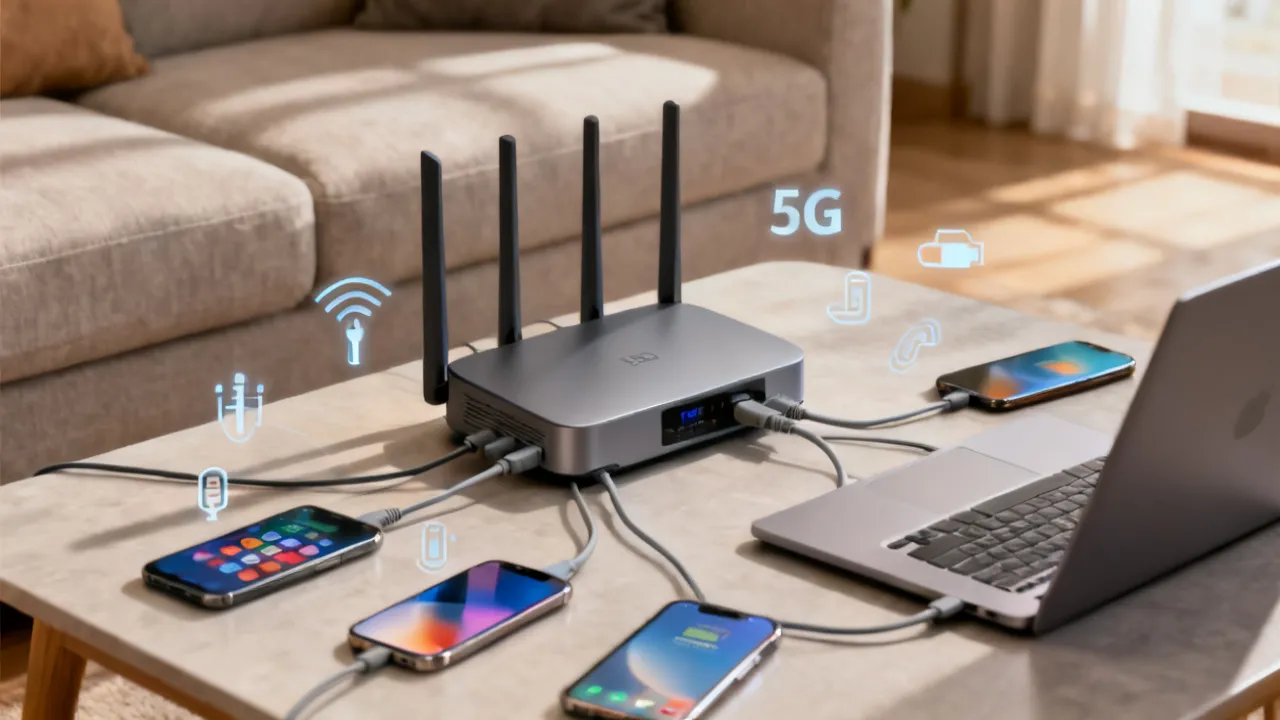
| T-Mobile 5G Home Internet | ~$35–$70 per month (72–245 Mbps) | Fixed wireless 5G (availability varies); discounted rates for Magenta MAX plan customers |
| Astound Broadband | From ~ $20 per month (intro; up to 300 Mbps) | Regional availability; cable internet; some plans include a two-year price guarantee |
| Verizon Fios (300 Mbps / 1 Gig) | ~$49.99 per month (300 Mbps with autopay) to $89.99 per month (1 Gig) | Fiber connection; symmetrical speeds; Wi‑Fi router included at no extra cost |
Links (source of the comparison information):
source: [www.flipernexus.com](www.flipernexus.com) — This is the source of the information used for the plan/pricing reference above.
How to Access the Internet at Low Cost (Step-by-Step)
Below is a practical, low-cost access workflow designed for real-world decision-making. As a network-services analyst, I recommend treating this like a budget audit: estimate your required speed, then minimize recurring charges and avoid surprise fees.
Think of broadband like a “monthly package” that includes not only the service itself but also the operational costs required to make that service usable in your home: equipment, Wi‑Fi, installation, and billing conditions. If you optimize only one piece (like speed), you can accidentally overpay. If you optimize total cost and match performance requirements, you can often pay less while being more satisfied day-to-day.
Step 1: Define Your Household Bandwidth Needs
- Light use: email, browsing, and occasional streaming can often work at lower tiers.
- Mixed use: streaming (multiple devices) plus video calls typically needs a moderate speed tier.
- High use: large downloads, frequent cloud backups, and remote work with video calls benefit from higher tiers and—where possible—strong upload performance.
Pro insight: If you frequently upload (Zoom/Teams calls, content creation, cloud photo sync), prioritize plans with better upload characteristics—fiber often has an advantage.
To define needs more precisely, it helps to map activities to their bandwidth and reliability expectations. Download-heavy tasks (like software updates and streaming) can often tolerate some speed fluctuation, while latency-sensitive tasks (video calls, gaming, remote desktop) suffer when network delay and jitter worsen. Even if your download speed is “fast,” a network that becomes unstable during peak hours can still produce frustrating experiences like delayed audio in calls, buffering despite decent speeds, or packet loss in games.
Here are practical examples to help you estimate:
- Streaming: Standard definition and many “good enough” streaming scenarios can run on relatively modest bandwidth, but multiple simultaneous streams (especially 4K) raise demand. Also, if your household frequently streams while on video calls, you need to consider combined load.
- Video calls: Upload speed and stability matter. Many video call platforms use adaptive bitrate, but during high congestion you can still see quality drops or intermittent buffering during the call.
- Gaming: Download speed is not the only factor. Stable low latency and consistent packet flow matter. Wired Ethernet is often more consistent than Wi‑Fi, and fiber can provide steadier performance than congested cable neighborhoods.
- Cloud backup/sync: These tasks can run overnight but still require enough upload capacity. If upload speed is too low, the process takes longer and may impact your day if the service throttles or competes with daytime usage.
Step 2: Compare “Total Monthly Cost,” Not Just the Base Rate
When evaluating providers like Xfinity, Spectrum, or AT&T Fiber, check whether the plan includes:
- Wi‑Fi gateway/router
- Modem (or modem rental)
- Equipment rental fees
- Optional Wi‑Fi service add-ons
- Autopay or discount eligibility requirements
Example logic: A plan that looks cheap at $19.99/month may become less attractive if equipment rental is added, while a plan with a gateway included may have a cleaner good cost structure.
To operationalize “total monthly cost,” you can do a simple line-item calculation:
- Base plan price (the promotional price or regular price you expect to pay)
- Equipment charges (gateway/router rental, modem rental, additional fees for required hardware)
- Mandatory discounts you will actually use (autopay, paperless billing). If you might miss autopay, your bill could jump.
- Optional add-ons you might be tempted to skip (Wi‑Fi upgrades, mesh networking packages, hotspot passes you won’t use)
- Taxes and local fees (often not displayed fully in a marketing banner)
Many households focus on the base monthly number and ignore the equipment line. For instance, some providers may advertise a low monthly rate but then charge separately for Wi‑Fi service or equipment. Others may include the router but charge for higher-tier Wi‑Fi hardware. In the long run, those equipment fees can equal several months of the “savings” you thought you got from the promo discount.
Step 3: Use Promotion Windows Strategically (and Plan for Renewal)
Many cable and broadband promotions start at an introductory price. You should ask two questions:
- How long does the promo last?
- What is the expected price after it ends?
Budget recommendation: If you negotiate around a promo window, set a reminder for one billing cycle before the promo ends so you can re-check options.
Promotions are often the biggest driver of perceived value, but they also create the biggest risk of “bill shock.” A responsible approach is to consider two scenarios:
- Promo-year scenario: What you pay during the introductory period.
- Post-promo scenario: What you pay once you’re at the standard rate.
Then decide which scenario you actually care about more. If you plan to stay only briefly, a promo-year optimization is relevant. If you plan to stay for 24 months, the post-promo price is crucial because it dominates most of your total spending.
Also, promotions may have additional conditions. For example:
- You may need to enroll in autopay to receive the promo discount.
- You may need “new customer” status, which can be tricky if you’re switching within the same household or if you cancel and re-apply shortly after.
- Some providers require self-install for a certain price, while professional installation might add a fee.
Step 4: Verify Contract and Data Policies
- Confirm whether the plan is month-to-month or includes a term agreement.
- Confirm data policy. Some plans explicitly mention unlimited data, which helps avoid throttling concerns.
Although many major providers now advertise “unlimited data,” you still want to confirm whether the plan includes any traffic management practices or deprioritization. The reason is that unlimited doesn’t always mean identical treatment to every user under every condition—especially during congestion. The details can matter if you download large files frequently or use the internet in ways that resemble a business workload.
Contract terms also affect your strategy. If you want the flexibility to switch providers frequently to chase better promos, choose plans that are truly month-to-month or have minimal exit penalties. If you prefer stability and predictable service, a term plan might be fine—but you should treat it like a commitment and ensure you have sufficient coverage and performance confidence.
Step 5: Consider Technology Fit for Your Area
Technology choice can reduce cost and improve reliability:
- Fiber (AT&T Fiber, Verizon Fios): Often preferred for consistent performance and symmetrical speeds.
- Cable (Xfinity, Spectrum, Astound Broadband): Usually competitive on price and speed tiers; performance can depend on local network congestion.
- Fixed wireless (T-Mobile 5G Home Internet): Useful where wired options are limited; performance may vary based on signal quality.
In many real-world decisions, technology is the biggest predictor of user experience. Here’s why:
- Fiber: Fiber is generally engineered for high capacity and stable performance. It tends to deliver symmetrical upload/download and stable latency.
- Cable: Cable networks share capacity in neighborhoods. Under heavy usage, speeds can slow, especially at peak hours. This doesn’t mean cable is “bad”—it can be excellent where the neighborhood network is well-provisioned.
- Fixed wireless: The connection is radio-based. It can be fast when signal quality is strong, but performance varies with weather, distance, and even internal home building materials. Placement of the gateway can matter a lot.
When you’re comparing providers, it can help to ask a local question even if you can’t get a direct engineer’s answer: “Do most people in my neighborhood seem happy with broadband in the evenings?” Congestion patterns show up as evening slowdowns, so the time-of-day experience matters.
Step 6: Optimize Wi‑Fi Hardware and Placement
Even the top plan underperforms with poor Wi‑Fi setup. Before spending on higher tiers, consider:
- Router placement (central, elevated, away from obstructions)
- Using wired Ethernet for desktops or consoles when possible
- Checking whether the provider gateway is sufficient for your home layout
Wi‑Fi is often the bottleneck, not the internet plan. Many people upgrade to higher-speed tiers when their real issue is weak signal coverage, interference, or limited router capability. If your Wi‑Fi coverage is poor in parts of your home, you might see low effective throughput even though your plan can deliver much more.
Practical Wi‑Fi optimization steps include:
- Central placement: Place the gateway/router in the most central location you can. Avoid corners or areas behind furniture.
- Height: Many routers perform better on a shelf or mounted higher on a wall.
- Reduce obstructions: Brick walls, metal objects, large appliances, and thick concrete can degrade signal.
- Consider band steering: Modern gateways may manage 2.4 GHz and 5 GHz bands. If you can’t separate networks, try enabling features that help balance devices.
- Interference management: If you live in a dense apartment area, interference from neighbors can reduce performance. Channel selection can help.
If the provider gateway supports mesh or if you can use your own mesh system, that can sometimes be a lower-cost solution than paying for expensive Wi‑Fi add-ons. In many cases, a one-time investment in better Wi‑Fi can improve your experience across multiple devices and reduce the need for upgrading the internet tier.
Step 7: Use Bundles Carefully
Some providers offer discounts if you bundle internet with mobile or TV. This can lower your effective monthly cost, but only if the bundle aligns with your actual needs. If you’d otherwise pay for separate services, verify the net difference.
Bundles are easy to misunderstand. The discount might apply only if you keep the mobile plan active, or it might expire if you change tiers. To avoid regret, evaluate bundles as if they were separate line items:
- What would you pay for mobile without the bundle?
- What would you pay for TV (if needed) without the bundle?
- What is the “internet discount” portion?
If you already pay for mobile service you like, an internet bundle discount can be a good deal. If you don’t use TV or you’re planning to switch phone carriers soon, bundle discounts can vanish and leave you with higher bills later.
Pricing Reality Check: Typical Internet Price Ranges by Country
Pricing varies widely by local infrastructure, competition, and regulatory conditions. The ranges below reflect typical consumer market expectations rather than guaranteed offers.
United States
- Price Range: Approximately $30 – $100+ per month
- Market Context: Many areas offer fiber and cable/broadband options; where speeds like 100 Mbps to 1 Gbps are available, pricing often increases.
In the US, an important factor is that many markets have multiple providers but still suffer from uneven competition. That can create wide price differences street-by-street or neighborhood-by-neighborhood. Even within the same city, you might see a fiber provider available in one area but not another, or cable performance that varies based on how much capacity has been deployed.
United Kingdom
- Price Range: Approximately £25 – £60+ per month
- Market Context: Customers typically choose between fiber and other broadband services; common speed tiers often range from 30 Mbps to 100 Mbps.
In the UK, affordability and network buildout can be strongly shaped by regional infrastructure and rollout timelines. Even when advertised speeds exist, actual performance can vary based on line quality and local network characteristics.
Canada
- Price Range: Approximately CAD 50 – CAD 100+ per month
- Market Context: A variety of fiber and broadband packages exist, with speeds often ranging from 25 Mbps up to 1 Gbps in some areas.
Canada’s geographic realities can affect rollout density and provider competition. In some areas, there may be fewer provider options, which can reduce your bargaining power for lower monthly bills.
New Zealand
- Price Range: Approximately NZD 60 – NZD 100+ per month
- Market Context: Many users select fiber or VDSL, with availability commonly supporting 100 Mbps or higher depending on location.
As fiber becomes more widely deployed, customers often have more choices. Still, older technologies can remain available and can differ significantly in reliability and latency characteristics.
Australia
- Price Range: Approximately AUD 60 – AUD 110+ per month
- Market Context: Fiber coverage is expanding over time; many households see commonly marketed speeds between 50 Mbps and 100 Mbps.
In Australia, buildout and provider availability can strongly affect options. In some areas, customers may compare older DSL/VDSL infrastructure against newer fiber rollouts and decide based on both price and performance expectations.
Singapore
- Price Range: Approximately SGD 30 – SGD 60+ per month
- Market Context: High-speed fiber availability is relatively widespread, and competitive dynamics can help keep prices controlled.
Because Singapore has strong fiber availability, many customers can achieve high performance without extreme pricing. Even so, equipment and contract terms still matter for total value.
Expert Analysis: How to Choose Between Fiber, Cable, and Fixed Wireless
When you’re choosing among providers such as AT&T Fiber, Verizon Fios, Xfinity, Spectrum, Astound, and T-Mobile 5G Home Internet, you’re indirectly choosing among network architectures. Here’s what an industry expert would emphasize.
Fiber Internet (AT&T Fiber, Verizon Fios): Consistency and Symmetry
What it typically means: Fiber networks generally support stable throughput with symmetrical performance, meaning upload and download can be similar. This matters for remote work and modern cloud workflows.
Who benefits very: Households with multiple video calls, cloud backup usage, creators uploading content, and gamers who value low jitter for real-time play.
From an engineering perspective, fiber can deliver more predictable performance because it isn’t subject to the same shared media constraints as some cable networks. While no network is immune to congestion, fiber deployments often maintain capacity better across time—especially for users who stress both upload and download.
Symmetrical upload is often underappreciated. It enables you to:
- Send large files quickly without waiting for “upload time” to complete.
- Participate in multiple simultaneous video calls with less risk of quality drops.
- Use cloud backup services more effectively, especially if you run them regularly.
If you’re a remote worker, symmetrical upload can reduce the friction of everyday workflows like screen sharing, interactive collaboration, and sending attachments in video-based meetings.
Cable Internet (Xfinity, Spectrum, Astound): Competitive Tiers, Local Demand Effects
What it typically means: Cable broadband performance can be excellent, especially on the right tier, but the effective speed can be affected by local network usage patterns at peak times.
Who benefits very: Users seeking strong value for streaming, general browsing, and typical home office use—especially if the neighborhood network is well-provisioned.
Cost note: Cable providers often run intro pricing; always validate post-promo pricing to avoid budget surprises.
Cable networks generally share capacity among users in the same service area. During busy periods, your speed can dip relative to the advertised plan. The important nuance is that this doesn’t automatically make cable “worse.” It’s more like a variable-performance system that can be very good when capacity is available and less consistent when many households are simultaneously using high bandwidth.
To decide whether cable is a good option for you, you can look for signs like:
- Availability of higher tiers that may increase your “headroom,” even if peak performance dips.
- Service stability in the evenings, based on neighborhood feedback or your own trials if offered.
- Clear unlimited data policies that reduce the risk of throttling or restrictions.
Also consider Wi‑Fi. Many cable issues reported by users are actually Wi‑Fi coverage issues. If you’re comparing a cable plan to fiber, make sure both scenarios use similar Wi‑Fi setup quality, or better yet, test with wired Ethernet to isolate the true bottleneck.
Fixed Wireless 5G (T-Mobile 5G Home Internet): Fast Deployment Where Wiring Is Limited
What it typically means: Fixed wireless uses cellular radio infrastructure for home internet. Speed and reliability depend on coverage and signal conditions.
Who benefits very: Customers in areas where wired internet options are limited, or those who prefer a simplified installation compared with trenching or line work.
Practical caution: Because signal can vary within a home, router placement and line-of-sight factors may affect real throughput.
Fixed wireless is compelling because it can be available quickly and installed with minimal disruption. However, unlike fiber, fixed wireless relies on radio signals that may be impacted by:
- Distance from a cell tower
- Signal obstructions like walls or floors
- Weather conditions that can influence radio propagation
- Time-of-day congestion if many users share the same radio resources
For fixed wireless, the “place it once and forget it” assumption is often wrong. You may need to experiment with gateway placement to find the best signal, potentially using windows or elevated areas to improve throughput. Even a small relocation can sometimes produce noticeable changes.
If you require predictable service for work calls, fixed wireless can still be a good choice, but you should confirm performance expectations with careful setup and testing—ideally before you fully rely on it for mission-critical tasks.
Equipment, Wi‑Fi, and “Hidden” Recurring Costs
In many broadband plans, the largest “hidden” costs aren’t always the headline speed—they’re the equipment and service add-ons. For example:
- Some plans may include a Wi‑Fi gateway/router; others might require equipment rental or offer optional Wi‑Fi service upgrades.
- Some providers may include modems in their base pricing, while others charge equipment fees.
Professional recommendation: Before ordering, ask whether the provided gateway is suitable for your household size (walls, floors, distance from router). If not, it may still be more economical to add your own Wi‑Fi system than to take an expensive service add-on.
Equipment costs can be both direct and indirect. Direct costs are the rental fees or add-ons you pay monthly. Indirect costs are the opportunity cost of being underpowered: if your Wi‑Fi struggles with coverage or throughput, you might upgrade the plan tier unnecessarily or spend time troubleshooting connectivity issues.
Consider these scenarios:
- You move into a large home: The included gateway might not cover all rooms. You might need a mesh system.
- You live in an apartment with interference: You might need better channel management or different Wi‑Fi hardware.
- You have a desktop gaming setup: Wired Ethernet can outperform Wi‑Fi, so you may not need premium Wi‑Fi.
Because routers and gateways are often leased, you may be effectively “renting” Wi‑Fi capability. Sometimes you can reduce monthly cost by owning your own router and paying only for the internet service. Other times, provider gateways are integrated tightly with support systems, and owning equipment might reduce convenience. The best approach is to compare:
- Monthly equipment fees vs. one-time purchase cost
- Ease of support and compatibility
- Performance improvements from better Wi‑Fi gear
In practice, for many households, improving Wi‑Fi with a good mesh router can be a more cost-effective long-term solution than paying for a premium Wi‑Fi add-on. But for some, the provider gateway is “good enough,” especially in smaller spaces.
FAQ: Internet Providers, Pricing, and Low-Cost Access
1) Which is usually better for remote work: fiber or cable?
For many households, fiber is often preferred because it can offer more consistent performance and symmetrical upload/download behavior. Cable can be very fast on the right tier, but local network demand can influence real-world throughput. If video conferencing and frequent uploads matter, fiber typically aligns better with those needs.
That said, remote work success also depends on your Wi‑Fi quality, your device capabilities, and whether you test with wired connections. If you’re seeing issues, start by isolating the bottleneck: test a wired device near the gateway, and confirm whether the problem is internet speed or Wi‑Fi coverage/interference.
2) Why do prices change after the introductory period?
Introductory offers are commonly structured to attract new subscribers. After the promo ends, providers may revert to standard pricing. To plan accurately, review the post-promo rate and any equipment-related fees or conditions.
Also pay attention to whether your autopay discount remains available. Some promos include discount stacking that depends on autopay and paperless billing. If you stop autopay later, the “post-promo” bill might be even higher than you expected.
3) Do I need to pay for Wi‑Fi separately?
Not always. Some broadband plans include a Wi‑Fi gateway/router, while others include a modem but charge for Wi‑Fi service or equipment. Always check what’s included in the monthly service cost.
If the provider includes Wi‑Fi equipment, it may still be limited by home layout. If your coverage is inadequate, you might need additional Wi‑Fi hardware—either via an add-on service or your own router/mesh system.
4) Is fixed wireless 5G a good option for everyone?
Fixed wireless can be excellent in coverage areas and can be convenient where wired options are limited. However, performance may vary due to signal conditions and home placement of the router. If you’re considering it, confirm availability for your address and evaluate real-world performance.
Many people do well with fixed wireless when they:
- Place the gateway in a location with strong signal
- Avoid placing it behind metal objects or in enclosed areas
- Test performance during the same time windows you’ll use most (evenings and during meetings)
If you can test and adjust before you fully commit, fixed wireless may be the lowest-friction low-cost option.
5) What’s the top way to lower my monthly internet bill?
Start with your required speed, then compare total monthly cost: base rate + equipment fees + optional add-ons + discount conditions (such as autopay). Also consider promo timing, bundle eligibility, and whether switching providers is likely to produce a sustained savings rather than a short-lived discount.
A practical tactic is to set a “target monthly bill” number and reverse-engineer plans until you find one that meets that target after equipment and autopay conditions. Many customers can reduce bills by switching tiers to match their usage rather than chasing the highest speed.
6) Where can I confirm the latest plan details?
Always verify current pricing and eligibility directly on provider websites. Third-party comparisons can be helpful for orientation, but only official pages reflect real-time availability, pricing, and installation requirements.
It can also help to confirm:
- Installation fees and whether they’re waived
- Equipment rental cost and whether it’s optional
- When the promotion starts (some start on installation, others on first bill)
- Whether taxes and fees are included or added later
Important Decision Checklist Before You Switch
- Speed tier match: Choose a tier aligned with your device count and usage patterns.
- Total cost: Confirm equipment fees, Wi‑Fi add-ons, and autopay discount requirements.
- Network type: Prefer fiber for consistent symmetrical performance when available.
- Promotion terms: Verify how long the intro rate lasts and the expected renewal price.
- Installation and coverage: For fixed wireless, confirm coverage for your specific address.
- Contract terms: Determine whether you’re in a contract or can switch without penalty.
- Test plan assumptions: If possible, validate Wi‑Fi coverage and plan performance with at least one wired test.
- Consider future needs: If you expect more video calls, cloud backup, or smart home expansion, you may want slight headroom rather than minimum-tier performance.
Disclaimer
1) The above information comes from online resources, and the data is as of October 2023.
2) The specific access requirements and methods are subject to the official requirements of the Internet service provider. This website will not be updated in real time.
Reference links:
- source: [www.flipernexus.com](www.flipernexus.com)
- https://www.xfinity.com/
- https://www.att.com/internet/fiber/
- https://www.spectrum.com/
- https://www.t-mobile.com/isp
- https://www.astound.com/
- https://www.verizon.com/home/fios/
-
1

A Guide to Cost-Efficient Small Electric Cars for Seniors
-
2
Mastering Debt Consolidation: Boost Your Credit Score and Manage Interest Rates
-
3
Your Guide to Loans, Credit Checks, and Interest Rates
-
4
Affordable Independent Living: Finding the Right Senior Housing
-
5
Guide to Senior Living Apartments: Affordable and Comfortable Environments