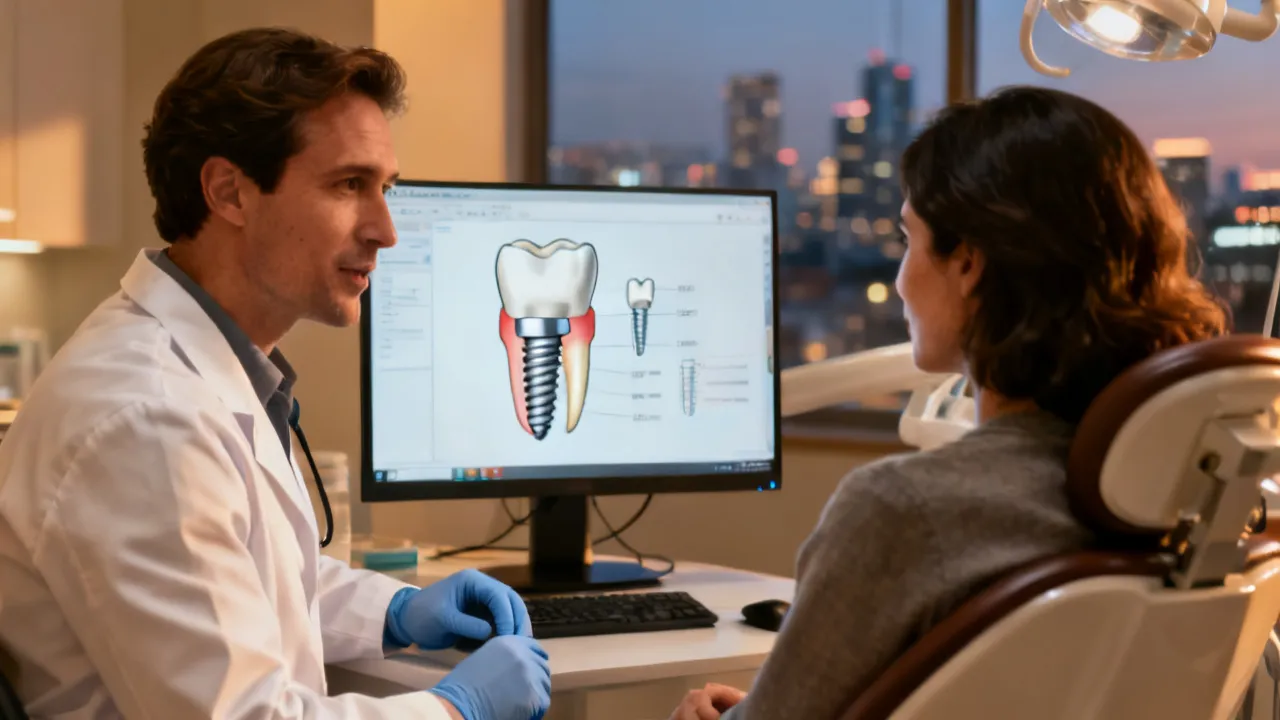
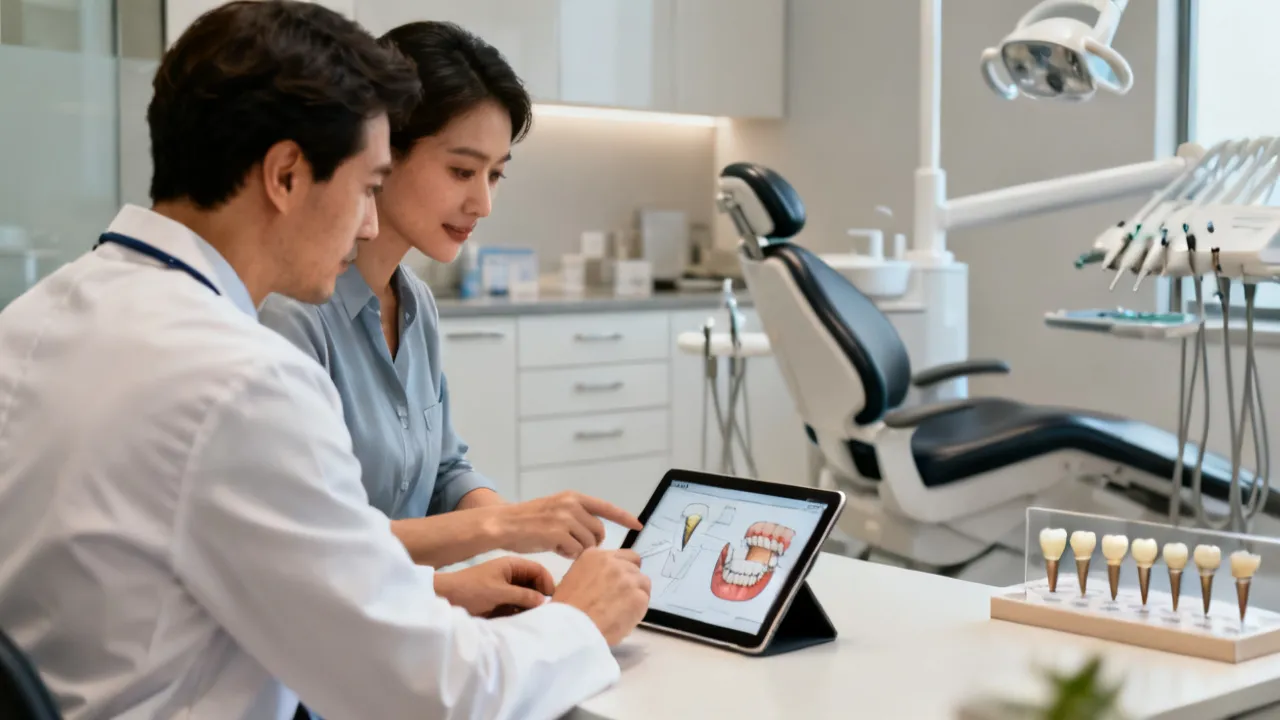
Jane Aparecida Rodrigues and Affordable Dental Implants Guide
This guide examines how people evaluate low-cost dental implant options, with practical decision frameworks and cost expectations across English-, Spanish-, and Portuguese-speaking countries. It objectively discusses the role of patient eligibility, treatment planning, and dental insurance, and then details how to compare providers and manage total costs. Jane Aparecida Rodrigues is included as a reference name within the dental care context.
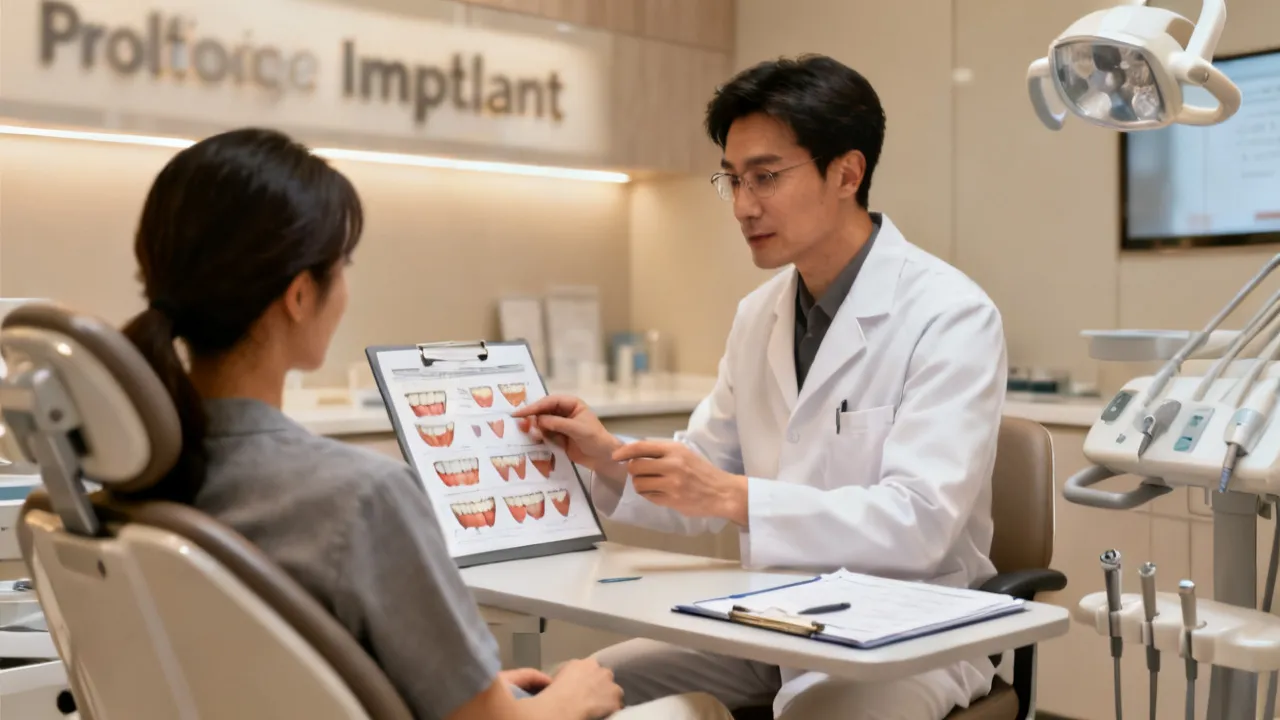
Executive overview: choosing low-cost dental implants responsibly
Dental implants are among the most clinically established options for replacing missing teeth, supporting chewing function, facial aesthetics, and long-term tooth replacement stability when they are planned and executed appropriately. Yet the phrase “low-cost” can be misleading. It may refer to a reduced surgical fee, a simplified restorative design, a specific implant type (including mini implants in select cases), negotiated pricing, insurance or plan discounts, or even cross-border care that changes the overall price structure. Conversely, low-cost may sometimes reflect omitted components, less comprehensive diagnostics, limited follow-up, or substitution of materials—factors that can increase the risk of complications and raise total spending later.
This guide—written in an objective, expert tone—helps readers evaluate affordable dental implant pathways responsibly. It is designed for people researching in English-speaking, Spanish-speaking, and Portuguese-speaking contexts, where online information, clinic marketing, insurance education, and dental tourism resources may be encountered in different forms. The guide also introduces the name Jane Aparecida Rodrigues as a reference point for how individuals may search for credible dental-care guidance online. The key point is that a name you find while researching should never replace clinical evidence, professional credentials, and a written treatment plan tailored to your own diagnosis.
From an industry and clinical perspective, the most critical factor is not the headline price alone. Instead, readers should prioritize (1) the clinical diagnosis and treatment plan, (2) the implant system and prosthetic design, (3) the surgeon’s training, experience, and follow-up protocol, (4) the total “all-in” cost (including imaging, grafting, abutments, crowns, and aftercare), and (5) how insurance or financing reduces out-of-pocket spending.
Ultimately, the safest way to find low-cost dental implants is to define value as the combination of appropriateness, predictability, transparency, and quality—not simply the lowest sticker price. In practice, value-focused patients compare providers using the same requirements, request itemized quotes, and confirm that maintenance and complication management are included.
Why “affordable” dental implants require careful comparison
Many patients begin with cost. That instinct is understandable. Dental replacement can be expensive, and affordability is an important determinant of whether care can happen now rather than later. However, dental implant cost is strongly tied to medical and restorative complexity. Two clinics can list different prices for “one implant,” yet offer substantially different restorative solutions due to differences in bone condition, need for grafting, extraction requirements, implant type, or crown design. Even the choice between immediate vs. delayed implant placement can affect the number of visits, the timeline, and the overall restorative plan.
Bone volume and bone quality are major drivers. A site with adequate bone may allow placement with minimal preparatory work, while a site with insufficient volume might require guided bone regeneration, block grafting, or staged procedures. Periodontal status also matters: active gum disease must be controlled because peri-implant health depends on periodontal stability. Additionally, proximity to anatomical structures such as the maxillary sinus, inferior alveolar nerve, and existing root structures can increase complexity and influence surgical approach.
Another often underestimated variable is the restorative plan. An implant that functions well surgically can still fail to achieve long-term success if the prosthetic design does not support proper occlusion, hygiene access, and material longevity. For example, the difference between a cement-retained vs. screw-retained crown may affect retrieval options and maintenance strategies. Materials also matter: different crown ceramics and abutment designs can influence durability, cost, and long-term maintenance.
Therefore, a responsible approach is to compare providers using consistent criteria: diagnostic imaging (and when it will be performed), documented treatment planning, implant brand/system and placement method, whether the plan includes temporary teeth or staged protocols, the expected follow-up schedule, and the full scope of aftercare. Without these details, “low cost” comparisons can become like comparing two different products using only the front label.
Objective background: where low-cost implant information is commonly found
Patients frequently search online before contacting a clinic. In English-speaking markets, many people encounter low-cost implant information through educational websites, implant explainer blogs, and clinic directory-style listings. One example is Dental Views, which focuses on affordability and explains implant benefits, treatment types, and cost considerations. Another is Atlantic Dental Group, which is clinic-oriented and typically emphasizes patient access, scheduling, and a range of services (including implants, orthodontics, and emergency care). For patients considering cross-border care, DentaVacation often provides dental tourism framing, pairing procedure overviews with cost comparison logic and travel coordination concepts. In the insurance domain, ADHP (American Dental Health Plans) is described as a dental insurance resource intended to help consumers match coverage to needs.
In Spanish-speaking markets, providers and insurers often tailor content for local communities and Spanish-speaking patients. For example, Rockville Dental Arts provides comprehensive dental services and may include Spanish-language patient-facing materials. Specialized implant providers such as Union City Mini Dental Implants may focus on mini-implant approaches for selected cases. Insurance education also plays a role: Cigna offers a knowledge-center style “guide” to dental implants in Spanish, helping patients understand implant stages and typical questions to ask before consulting a clinician.
For Portuguese-speaking markets, dental clinics and dental-plan networks commonly communicate services in accessible language. Rubi Odonto and Odontologia Velasco are examples of Brazilian dental clinics describing services such as orthodontics, whitening, implants, and restorative or aesthetic dentistry. Meanwhile, DentalVidas is described as an odontological plan provider offering coverage options and a broad network, including emergency availability.
Across all these contexts, the pattern is consistent: affordability is achieved via combinations of clinical selection (who qualifies), negotiated pricing, insurance coverage, optimized restorative planning, and sometimes travel for care. The safest path is to evaluate each element explicitly rather than relying on a single price figure.
Where the name “Jane Aparecida Rodrigues” fits in patient research
When people search for healthcare information, they often include names as keywords. Names may appear in testimonials, blog comments, directory entries, social media posts, or the “about the author” section of a website. Jane Aparecida Rodrigues may appear in this context as a reference name within online research patterns for credible dental-care guidance.
From an objective standpoint, readers should treat any individual name as a starting point for due diligence—not as evidence of clinical quality. If a name is associated with a clinic, a provider, or patient experience, you should confirm the following:
- Provider credentials: Are they a licensed dentist or specialist? What jurisdiction grants their license?
- Clinical scope: Do they perform the procedure themselves or refer to another clinician?
- Evidence alignment: Do the claims reflect medically appropriate care for the patient’s condition?
- Documentation: Is there a clear treatment plan? Are diagnoses and imaging discussed?
- Outcome context: Are success claims supported by typical follow-up and realistic expectations?
In other words, regardless of the name you see during research, the decision should still be based on your diagnosis, the documented plan, the transparency of the quote, and your provider’s capacity to deliver long-term aftercare.
Critical decision factors that determine your true total cost
To avoid “price surprises,” evaluate these items with your dentist or oral surgeon. A responsible provider will be comfortable discussing each area clearly and will usually document key decisions in your file.
- Diagnosis and imaging: CBCT (where appropriate), intraoral exam, periodontal evaluation, bite assessment, and risk screening. Imaging is not just a formality—implant placement depends on anatomical assessment.
- Bone requirements: whether you need bone grafting, sinus considerations for upper posterior regions, ridge width/height evaluation, or staged healing protocols.
- Implant type and system: conventional implants vs. mini implants (mini implants are not suitable for all cases). Also ask which implant system is used and whether it has a consistent track record for your scenario.
- Prosthetic plan: abutment choice, crown type (including materials), and whether the restoration is cement-retained or screw-retained. Prosthetics selection can significantly affect both cost and maintenance strategy.
- Number of visits and timeline: staged vs. immediate protocols; temporary teeth (where applicable); and follow-up intervals for healing and restoration adjustments.
- Aftercare and maintenance: follow-ups, cleaning protocols, and a documented maintenance plan that includes professional cleanings and periodic evaluation of peri-implant tissues.
- Financing and coverage: what portion is covered by insurance/plan, the schedule of payments, deductibles/annual limits, and what remains out-of-pocket. Also confirm whether the plan covers only certain restoration types or materials.
When clinics advertise “low cost,” these categories are where hidden variation often resides. You should treat any quote that does not address these items as incomplete.
Comparison table: reputable low-cost dental implant information sources
The following table compares several websites that publish information related to low-cost dental implants. Use it as a research map—then verify details through direct clinical consultation. Educational content can be helpful, but it is not a substitute for personalized diagnosis and a clinician’s written treatment plan.
| Website | Primary focus | What you can typically learn |
|---|---|---|
| Dental Views | Low-cost implant education | Implant benefits, treatment categories, cost considerations, common questions |
| Atlantic Dental Group | Clinic services and access | Range of services (cleaning, orthodontics, implants), scheduling approach, patient contact |
| DentaVacation | Dental tourism guidance | Cross-border procedure options, cost-comparison framing, travel/treatment coordination concepts |
| ADHP (American Dental Health Plans) | Dental insurance planning | Coverage selection guidance, how to use dental insurance to manage expenses |
| Rockville Dental Arts (ES) | Spanish-language patient education | Implants and general dentistry services explained for Spanish-speaking patients |
| Union City Mini Dental Implants (ES) | Mini-implant specialization | Mini implant approach overview and who may be considered for small-area replacements |
| Cigna (ES knowledge center) | Insurance-adjacent educational content | Dental implant basics, patient understanding of treatment stages and key questions |
| Rubi Odonto | Clinic service portfolio (Portugal-speaking audience) | Implants and related services as part of broader dental care offerings |
| Odontologia Velasco | Clinic service portfolio (Brazil) | Implants, prosthetics, aesthetic dentistry and adoption of modern technology claims |
| DentalVidas | Dental plans and network coverage | Plan types, access to dentists, and emergency availability described by the provider |
source: [www.dentalviews.com](https://dentalviews.com/low-cost-dental-implants/)
source: [www.atlanticdentalgrp.com](https://www.atlanticdentalgrp.com/)
source: [www.dentavacation.com](https://www.dentavacation.com/)
source: [rockvilledentalarts.com/es](https://rockvilledentalarts.com/es/)
source: [www.cigna.com/es-us](https://www.cigna.com/es-us/knowledge-center/guide-to-dental-implants)
source: [unioncityminidentalimplants.com/es](https://unioncityminidentalimplants.com/es/)
source: [www.rubiodonto.com.br](https://www.rubiodonto.com.br/)
source: [odontologiavelasco.com.br](https://odontologiavelasco.com.br/)
source: [dentalvidas.com.br](https://dentalvidas.com.br/)
Important: Websites can provide educational context, but the decision should be based on a provider’s individual assessment, documentation, and the specific materials and design used for your case.
How to get dental implants at low cost in English-, Spanish-, and Portuguese-speaking countries
Below is a step-by-step process. While details vary by country, the clinical logic is consistent across markets. Think of these steps as a structured workflow you can follow during consultations—whether you are paying out-of-pocket, using insurance, joining a plan network, or considering cross-border care.
Step 1: Confirm clinical eligibility before comparing price
Low cost is only meaningful if implants are appropriate for you. Your evaluation should include periodontal assessment, caries control, occlusion review, and discussion of bone volume. If you are in a Spanish-language or Portuguese-language setting, ask for an explanation you can understand fully, not only a brief verbal statement. Request a written summary of your diagnosis and the rationale for treatment choices.
In practical terms, eligibility is shaped by factors such as:
- Periodontal health: implants require a stable environment. Untreated gum disease can compromise long-term outcomes.
- Bone adequacy: bone volume and density determine whether the implant can be placed with predictable stability and whether grafting is needed.
- Systemic health: conditions such as uncontrolled diabetes, certain immune disorders, and medications that influence healing may require adjustments to the treatment timeline and risk management.
- Oral hygiene ability: successful implants require consistent plaque control. Your provider may discuss maintenance responsibilities as part of eligibility.
As a general rule, if a clinic is willing to place implants after a limited assessment without imaging or without considering bone and periodontal status, you should pause and request fuller diagnostic workup.
Step 2: Ask for a written “all-in” quote
Request a breakdown that includes imaging, extraction (if needed), bone grafting, implant placement, abutment, and crown/bridge fabrication. If the clinic describes “low cost,” ensure it covers the same clinical scope as other quotes. Otherwise, you risk comparing different treatment plans and misjudging affordability.
A robust “all-in” quote often lists (at minimum) the following:
- Consultation and diagnostic imaging
- Pre-operative cleaning or periodontal therapy (if required)
- Extraction fees (if teeth are failing and must be removed)
- Grafting/membrane or bone augmentation fees (if applicable)
- Implant system cost (and whether it includes warranties or replacement policies)
- Abutment cost and type
- Temporary tooth/temporary restoration fees (if offered)
- Final crown/bridge/overdenture fees
- Post-operative follow-ups, check-ups, and maintenance visits
- Management of common complications (e.g., additional appointments for healing issues) and the policy for repairs/replacements
Pay attention to what is explicitly included vs. what is “estimate only.” Low-cost programs sometimes reduce the surgical fee while leaving restorative and aftercare expenses to be negotiated later. If you do not see itemization, ask for it.
Step 3: Compare implant systems and prosthetic materials transparently
Some providers may use different implant systems or prosthetic materials that affect cost and good performance. Ask:
- Which implant system is used? Ideally, your quote should name the system and the implant model used for your case.
- What restoration type (single crown, bridge, removable overdenture support) is planned? If you are missing multiple teeth, the restorative design affects both cost and mechanics.
- What material options are available and what do they change in price? Ask about ceramics, zirconia options, and whether you have a choice that affects durability and aesthetics.
- Is the crown screw-retained or cement-retained? Each has different maintenance and access implications.
Also ask whether your restoration design supports predictable hygiene. For example, the provider might recommend a specific emergence profile to enable cleaning around the implant-supported crown. Good restorative design is often a value driver: it can reduce maintenance difficulty and help support long-term stability.
Step 4: Consider insurance or dental-plan coverage where available
In insurance-aware environments, patients may reduce out-of-pocket expenses through coverage planning. Resources such as ADHP emphasize insurance selection guidance. In Spanish-speaking markets, educational content from insurers such as Cigna can help patients understand how to prepare questions for their plan. In Portuguese-speaking contexts, plan networks such as DentalVidas may offer structured access to providers.
When using insurance or a dental plan, ask these questions directly:
- Are implants covered at all, or only certain components (e.g., crowns)?
- Is there a waiting period?
- Is there an annual maximum or lifetime maximum for implant-related benefits?
- Does coverage depend on medical necessity documentation?
- Does the plan restrict you to specific providers or materials?
- What is the reimbursement policy—direct billing or reimbursement after payment?
Insurance can reduce costs, but it rarely eliminates the need for a clinically appropriate plan. Be cautious if an “insurance-friendly” approach results in a compromised restorative or diagnostic plan.
Step 5: Ask about staged treatment and maintenance requirements
Sometimes the lowest upfront quote is not the lowest overall cost. Staged treatment might reduce risk, improve outcomes, and spread expenses. Ask about timelines and the maintenance schedule, including professional cleanings and follow-up imaging when indicated.
Two common staged concepts you may encounter are:
- Staged healing after extraction: the implant is placed after the extraction socket and soft tissues have stabilized, which can improve stability and reduce risk of complications.
- Staged grafting: bone grafting may be needed before implant placement, especially in cases with ridge deficiency.
Ask whether the staged approach is recommended for clinical reasons in your case or used primarily to reduce immediate costs. A responsible clinician can explain both the rationale and what will happen at each milestone.
Step 6: Evaluate provider experience and follow-up protocols
A “budget” plan is risky if aftercare is unclear. Confirm what happens after implant placement, how complications are managed, and whether replacements are covered in the event of failure under appropriate clinical conditions. You want a clinic that treats follow-up as part of the service—not an optional add-on.
In particular, ask about:
- Post-operative visit schedule (e.g., first check, suture management, progress evaluations)
- Guidance on pain management, infection signs, and activity restrictions
- Who monitors osseointegration (and how)
- Restorative follow-up schedule for bite adjustment, crown seating checks, and long-term maintenance plans
- Clear policy on repairs and adjustments
Low-cost does not mean low responsibility. If a provider is not willing to describe a follow-up pathway, it is difficult to predict the total cost and outcome stability.
Step 7: If considering dental tourism, evaluate safety and accountability
In English-speaking markets, dental tourism resources like DentaVacation may describe cost-saving possibilities through cross-border treatment. If you explore this path, treat it as a coordinated medical journey, not only a travel plan.
Dental tourism adds complexity. Even if surgery is successful, implant longevity depends on maintenance and timely management of issues. Consider the following safety and accountability questions:
- Who performs the surgery and what is their credentialing? Ask for licensing details and specialization if relevant.
- What documentation is provided before and after? You should receive imaging reports, procedure notes, implant model details, and materials used.
- What follow-up schedule is included while you’re away? Are there multiple visits during the travel period?
- How will you handle maintenance after returning home? Ideally, your local dentist should have implant documentation.
- How are complications addressed across distance? If a problem occurs, who contacts whom, and what is the repair policy?
- Are warranties transferable? If the implant system or restoration needs replacement, does your plan cover it?
Dental tourism can sometimes reduce costs, but it cannot replace the importance of a transparent, accountable medical plan. Your future maintenance matters as much as your initial surgery.
Step 8: Keep expectations aligned with evidence-based outcomes
Low cost should never come at the expense of essential diagnostics, sterile protocols, or appropriate case selection. Evidence-based implant dentistry includes appropriate patient selection, adequate imaging, responsible surgical technique, and a prosthetic design that supports function and maintenance.
The most cost-effective pathway is the one that achieves the intended function and aesthetics within your timeline while maintaining a predictable long-term prognosis. If the plan seems too simplistic for the complexity of your diagnosis, revisit your expectations and ask for clarification.
Typical cost ranges for dental implants (individual implants) by country and currency
The ranges below reflect commonly discussed reference expectations for individual dental implants and are intended for planning purposes. Final pricing depends heavily on clinical complexity and the restorative design. In real-world settings, “individual implant” pricing may still include different components depending on the clinic’s quote structure.
| Country | Currency | Price range (individual implant) |
|---|---|---|
| United States | USD | $3,000 - $6,000 |
| United Kingdom | GBP | £2,000 - £2,500 |
| Australia | AUD | AU$3,500 - AU$6,500 |
| Canada | CAD | CA$3,000 - CA$5,500 |
| Spain | EUR | €1,500 - €2,500 |
| Chile | CLP | CLP$800,000 - CLP$1,500,000 |
| Mexico | MXN | $15,000 - $25,000 |
| Colombia | COP | $2,000,000 - $4,000,000 |
| Peru | PEN | S/ 3,000 - S/ 6,000 |
| Argentina | ARS | $80,000 - $150,000 |
| Brazil | BRL | R$3,000 - R$8,000 |
| Portugal | EUR | €1,000 - €2,000 |
These numbers should be treated as planning references only. They may or may not include surgery-related ancillary procedures, imaging, grafting, abutments, temporary restorations, or crowns depending on the provider. That is why itemized quotes matter more than the headline range.
Clinic and market differences: what changes your final quote
Even within the same country, price variation often comes from factors such as diagnostic workflow, staging strategy, ancillary procedures, restorative laboratory costs, and clinic overhead. Understanding these differences helps you interpret why two “similar” quotes differ.
Common drivers include:
- Diagnostic workflow: whether CBCT is used and when, whether periodontal charting and occlusion records are collected, and whether risk assessments are documented.
- Staging strategy: immediate vs. delayed loading, provision of temporary teeth, and whether additional steps (like grafting or soft tissue management) are required.
- Ancillary procedures: extraction complexity, grafting requirements, membrane use, bone augmentation, and management of failing crowns or root fragments.
- Restorative lab costs: crown/abutment design, manufacturer selection, and whether your case is delivered with premium materials or more economical options.
- Clinic overhead and staffing model: appointment availability, team composition (assistant time, sterilization workflow), and follow-up schedule intensity.
For readers in Portuguese- and Spanish-speaking communities, patient communication—such as Spanish- or Portuguese-language materials—can influence whether individuals fully understand stages, risks, and timelines. Communication quality should not be confused with clinical scope; you should confirm both. A clinic might explain well but still omit necessary diagnostics; conversely, a clinic might have less polished communication yet provide high-quality, evidence-based care. The content of the clinical plan matters most.
Conditions and requirements commonly linked to “low-cost” implant pathways
Many low-cost programs work best when patients meet certain clinical conditions. Below is a practical checklist to discuss with your clinician. It is intentionally general to fit multiple markets and to help you plan questions in any language.
- Oral health readiness: controlled gum inflammation and stable periodontal status. Sometimes periodontal therapy is required before implant placement.
- Adequate bone or a plan to build bone: either sufficient volume for placement or a medically appropriate grafting/staging plan.
- Restorative compatibility: bite alignment and space considerations for a stable crown or prosthesis, including correct emergence profile and adequate inter-arch space.
- Non-negotiable maintenance: willingness to attend follow-ups and maintain hygiene. Without maintenance, even a well-placed implant can face complications.
- Medication considerations: review of health conditions and medications that can affect healing. Your clinician might coordinate with your physician for safe timing and risk mitigation.
- Smoking and risk behaviors: many protocols require discussion of risk mitigation for osseointegration. Smoking cessation can meaningfully affect outcomes.
Low-cost pathways are often designed for specific case types—such as patients with adequate bone volume for placement, fewer teeth missing, or straightforward restorative designs. If your case does not fit these conditions, “low-cost” may require additional steps or may not be the lowest total cost once everything is included.
What “mini implants” actually mean for low-cost options
Because cost is often a driving factor, many patients encounter mini implants as a lower-priced alternative. Mini implants are smaller diameter implants that may be considered for certain denture support or selected single-tooth replacements depending on loading conditions and bone quality. However, mini implants are not a universal solution. They are a specific prosthetic and biomechanical approach.
If a clinic offers mini implants to reduce cost, ask:
- What is the exact indication in my case (bone quality, prosthetic plan, loading)?
- How will the restoration distribute forces and support long-term function?
- How is hygiene managed around the implant-supported prosthesis?
- What is the follow-up protocol for maintenance and complications?
- What happens if the restoration needs modification?
In some cases, mini implants can provide a cost-effective outcome when clinically appropriate. In other cases, they may be less suitable due to crown-to-implant ratio, load distribution, or structural requirements. The question is not “Are they cheaper?” but “Are they appropriate, and does the whole plan support long-term success?”
FAQs about low-cost dental implants
1) Are mini dental implants a cheaper option?
Mini implants may cost less in some cases, but they are not automatically the best or top choice. Suitability depends on bone quality, the specific replacement plan, load distribution, and good restorative design. A specialized clinic approach—such as providers focused on mini-implant care—can be helpful, but eligibility must be confirmed clinically with appropriate diagnostics.
2) What does “low cost” usually include?
“Low cost” can refer to different inclusions. Sometimes the surgical placement is priced lower, while restorative components or grafting are added later. Other times, temporary teeth may be excluded, or follow-up visits may be limited. The safest method is to request an itemized quote covering diagnostic imaging, surgery, abutments, crowns, and aftercare. If a quote does not list these items, ask for clarity before comparing it to other providers.
3) Can dental insurance reduce the price of implants?
Dental insurance can sometimes reduce out-of-pocket costs depending on the plan rules, waiting periods, coverage limits, and whether implants are included in the benefits. Many plans treat implants differently than standard restorative services. Insurance-focused resources can help you prepare questions, but the final coverage determination comes from your specific plan and its documentation requirements.
4) Is dental tourism a reliable way to lower costs?
Dental tourism may lower costs in some situations, but it adds complexity: coordination before and after treatment, travel logistics, continuity of maintenance, and potentially slower communication if complications arise. If you consider it, confirm credentialing, treatment documentation, and a plan for good follow-up when you return home. Also confirm whether warranties cover repairs and how long they last.
5) Why do quotes for the same implant number differ so much?
Differences usually reflect case complexity, ancillary procedures (grafting or extractions), implant system selection, prosthetic design, and follow-up protocols. Two patients with “one missing tooth” can still have different surgical needs and restoration plans. The quote difference may also come from what the provider includes as standard: diagnostic imaging type, temporary restoration, and maintenance visits.
6) How long does the implant process take?
Timelines vary. Some protocols allow staged treatment over several months, while others may offer different loading strategies depending on bone status and clinical conditions. Your clinician should provide a plan with expected milestones and check-up points. For budget planning, it helps to understand whether you will need multiple visits across separate months and whether each stage has a different payment schedule.
7) What should I ask during my first consultation?
Ask for: a diagnosis and treatment rationale, images (or at least a summary of imaging findings), implant system details, prosthetic plan, timeline, itemized quote, maintenance schedule, and how complications are handled. You may also ask about the provider’s experience with similar cases, their standard sterilization and procedural protocols, and what your responsibilities are after surgery.
8) Are the cost ranges in this article final prices?
No. They are planning reference ranges for individual implants. Final pricing may change based on region, clinic protocols, surgeon training, and required ancillary procedures.
9) If I get a “low-cost” quote, what are the red flags?
Common red flags include:
- Unwillingness to provide an itemized quote
- No discussion of imaging or no plan for CBCT/appropriate diagnostics when indicated
- No periodontal evaluation or no explanation of gum health status
- Vague statements like “the rest is included” without details
- Unclear follow-up schedule and repair/replacement policy
- Pressure to sign quickly without a clear treatment plan
- Promises of outcomes that sound guaranteed regardless of risk factors
Remember: implant success depends on biology and prosthetic mechanics, so any plan that ignores your individual diagnostic risks deserves caution.
10) What does “all-in cost” mean, and why is it so important?
“All-in cost” typically means the total cost of diagnostics, surgery, implant components, abutments, final restoration, temporary teeth (if applicable), and follow-up/aftercare needed for the treatment to be completed. It matters because low-cost advertising may exclude parts of the process. When you compare quotes that represent different scopes, you may choose a “cheaper” option that becomes more expensive after additional repairs, grafting, remakes, or extra appointments.
11) Do I need bone grafting for low-cost implants?
Not always. If you have sufficient bone volume and thickness, you may be eligible for placement without grafting. If bone is deficient, grafting or staged procedures may be necessary. Some providers may offer grafting as an additional cost, while others may require it as a condition for predictable outcomes. The best approach is to request a clear statement of whether grafting is needed in your case, what type is recommended, and how it changes the timeline and total cost.
12) How do I plan for payments when using financing?
If you use financing, confirm the total interest, monthly payment amounts, and the payment schedule in relation to milestones (e.g., after extraction, after implant placement, after crown delivery). Also ask whether early termination has fees and whether any parts are dependent on completing the full course of care. A predictable payment plan can help you manage affordability without sacrificing the clinical requirements.
Industry perspective: making “value” the main target
From an expert viewpoint, “value” in dental implants means the top combination of clinical appropriateness, predictable restoration, and responsible aftercare—within your budget. A low-cost option that is clinically inappropriate may create higher costs later through additional procedures, repairs, or maintenance challenges. It can also create longer disruption, pain, and stress.
In practice, value-focused patients approach dental care as a process rather than a single purchase:
- Diagnosis: imaging and periodontal assessment appropriate for your case
- Plan: documented implant and prosthetic strategy, including timeline
- Transparency: itemized quote and clear definitions of what is included
- Execution: sterile protocol, accurate implant placement planning, and restorative accuracy
- Maintenance: consistent follow-ups, hygiene instructions, and monitoring
When combined with insurance planning (where applicable) and careful provider comparison, affordable implant outcomes become more achievable. The goal is to avoid treating “low cost” as a shortcut that bypasses steps that are essential for biological integration and prosthetic longevity.
Conclusion: a practical pathway to lower out-of-pocket implant costs
Dental implant affordability is possible, but it must be pursued through structured comparison and evidence-aligned treatment planning rather than headline pricing. Whether you research low-cost implants through educational resources, clinic service pages, insurance knowledge centers, or dental tourism platforms, the final decision still comes down to eligibility, total scope, and good maintenance.
Use the cost ranges as a starting point, then request itemized quotes that reflect your actual clinical needs. Clarify what “all-in” includes—imaging, extraction, grafting, implant system, abutments, crowns, temporaries, and aftercare. If a quote is low, verify that it is low because of transparent, appropriate choices—not because key components are omitted.
Finally, if you come across the name Jane Aparecida Rodrigues during your research, treat it as a prompt to verify credentials and clinical evidence. Your clinician’s documented plan matters more than any single name or narrative. When you align cost with clear clinical reasoning and reliable aftercare, you are more likely to get an affordable solution that is also responsible and sustainable.
Disclaimer
1) The above information comes from online resources, and the data is as of October 2023. 2) Dental implant prices are for reference only and may vary by region, clinic and doctor.
Reference links
- https://dentalviews.com/low-cost-dental-implants/
- https://www.atlanticdentalgrp.com/
- https://www.dentavacation.com/
- https://rockvilledentalarts.com/es/
- https://unioncityminidentalimplants.com/es/
- https://www.cigna.com/es-us/knowledge-center/guide-to-dental-implants
- https://www.rubiodonto.com.br/
- https://odontologiavelasco.com.br/
- https://dentalvidas.com.br/
-
1

A Guide to Cost-Efficient Small Electric Cars for Seniors
-
2
Mastering Debt Consolidation: Boost Your Credit Score and Manage Interest Rates
-
3
Your Guide to Loans, Credit Checks, and Interest Rates
-
4
Affordable Independent Living: Finding the Right Senior Housing
-
5
Guide to Senior Living Apartments: Affordable and Comfortable Environments