Buying a Used Car the Smart Way
This guide explains how to find and buy a “muler belada” used car on sale efficiently, with a focus on verified listings, fair pricing, and practical inspection steps. “Muler belada” is commonly used as a local phrase that suggests a vehicle is being offered at an attractive level. Background: online car trading platforms consolidate inventory, pricing signals, and vehicle history tools, helping buyers compare options before visiting nearby showrooms or sellers.
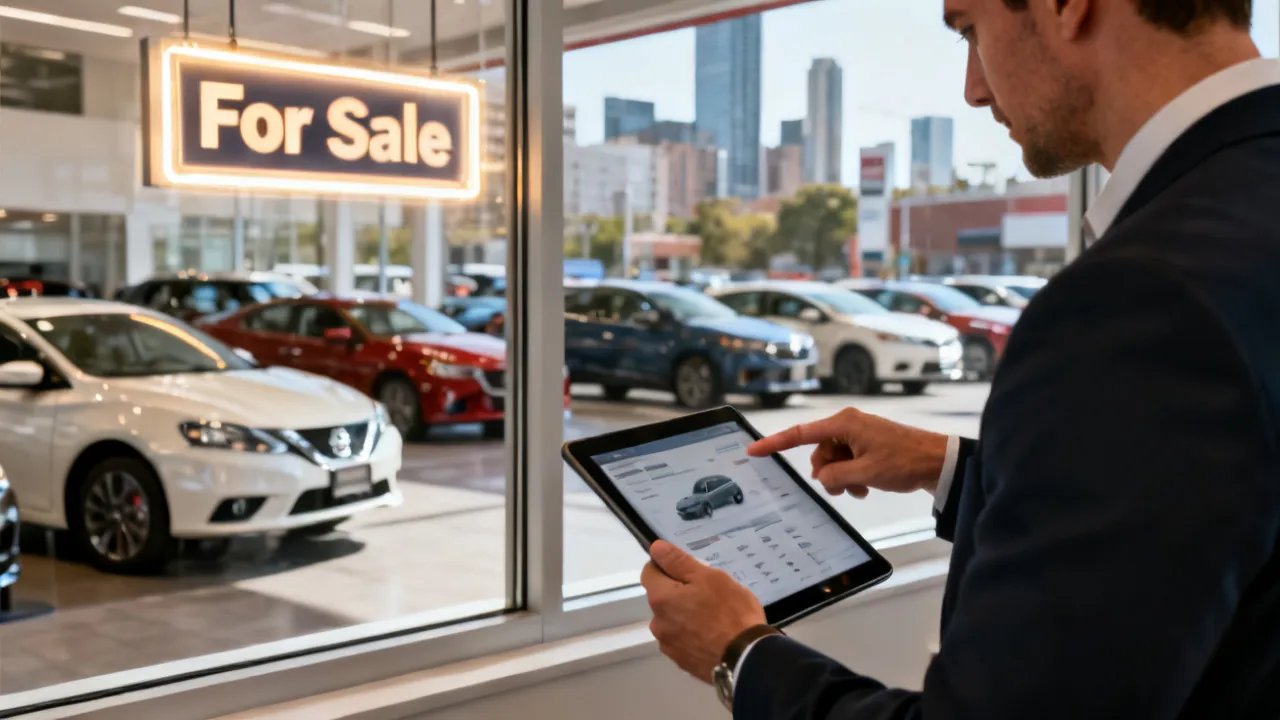
Buy a “muler belada” Used Car on Sale with Clear, Practical Steps
If you’re looking for a muler belada car on sale, your best advantage is disciplined research: start with reputable listings, verify vehicle details, compare multiple offers, and only then negotiate and schedule an inspection. “Muler belada” is often used by buyers to describe a used car offer that looks particularly appealing—whether due to pricing, condition, or both—so your goal is to confirm what’s behind the appeal before you commit.
In real-world buying, “muler belada” isn’t a formal category; it’s a buyer perception. One person sees a great deal because the seller priced quickly; another person sees a warning sign because the photos are minimal or the price is too low to be believable. Your job is to separate perception from proof. You do that by verifying key facts (title status, maintenance history, accident indicators, mechanical readiness) and by validating the price using comparable vehicles and a professional inspection.
Why “Muler Belada” Matters in Real-World Used Car Shopping
In practical terms, a muler belada listing usually signals one of the following: (1) a competitive price relative to similar vehicles, (2) a seller motivated to move inventory, or (3) a vehicle that has been refreshed (e.g., reconditioned or serviced) more than you’d find in an average listing.
However, appealing price signals can also come from legitimate trade-offs—such as higher mileage, prior damage history, missing documentation, cosmetic inconsistencies, or unresolved mechanical issues. For that reason, buyers should treat every muler belada offer as “promising, but not yet proven.”
What Makes a Deal “Look” Like a Muler Belada (and What Might Be Hidden)
To buy smart, it helps to understand what triggers the “muler belada” impression. Common signals include: a low asking price, strong photo presentation, a “just serviced” claim, a seller’s urgency (“available now,” “priced to sell,” “moving soon”), and the promise of easy ownership (“runs great,” “no issues”). These can be real, but they can also mask risk.
Potential hidden factors include:
- Title/ownership complications: salvage, rebuilt titles, liens, or unclear transfer status can lead to paperwork delays or reduced buyer protections.
- Accident repair quality: an accident can be repaired well, but poor structural repairs or mismatched parts can create future stability and safety problems.
- Maintenance gaps: a car may “run” today but have deferred maintenance (coolant neglect, worn suspension components, neglected transmission service) that turns into a repair bill soon.
- Odometer and listing inconsistencies: sometimes mileage is accurate, but sometimes it isn’t—or it’s unclear because records are missing.
- “As-is” limitations: if the seller is offering a deal “no warranty,” you take on more risk unless you validate condition.
The more a listing looks like a classic muler belada (especially unusually low price), the more you should lean on verification rather than trust.
Where to Find Reliable Car Listings and “On Sale” Inventory
To locate used cars offered as muler belada or otherwise discounted, you’ll want platforms with broad inventory coverage and built-in tools for comparison. Below is a concise reference table of major official car trading websites where dealers and retailers commonly list cars on sale. These platforms typically help you filter by make, model, price range, mileage, location, and sometimes vehicle history indicators.
| Website | What You’ll Typically Use It For |
|---|---|
| cars.com | Searching broad dealer inventory, comparing listings, and filtering by key purchase criteria |
| carmax.com/cars | Browsing curated used inventory and viewing listing-level condition and pricing details |
| caronsale.com/en | Discovering discounted or listed offers that may align with a “muler belada” search intent |
| autotrader.com | Comparing multiple used-car offers across sellers with search and listing tools |
source: www.cars.com ; www.carmax.com/cars ; www.caronsale.com/en ; www.autotrader.com (source of listing platform references)
Refine Your Search: How to Turn “On Sale” Into a Short List
Instead of scanning hundreds of listings randomly, build a system. The fastest path to a great muler belada purchase is to reduce the search space without missing strong options.
Use a repeatable filtering approach:
- Set a realistic budget: include taxes, registration, documentation fees, and any required service or inspection charges. “On sale” often refers only to the sticker price.
- Choose your “no compromise” requirements: transmission type, drivetrain (FWD/AWD/RWD), fuel economy expectations, safety features, and minimum storage needs.
- Set mileage bands: for example, “under 60k miles” or “between 60k–90k miles,” depending on your comfort level.
- Use geographic distance limits: a cheap car far away can become expensive when you factor in travel, towing, and time.
- Separate dealer vs. private seller: dealers often have more standardized processes; private sellers sometimes offer better prices but less structured paperwork.
Once you do this, you can capture 5–10 candidates and evaluate them consistently.
Expert Checklist: How to Find a Cheap Car (and Avoid Costly Surprises)
From an industry standpoint, “cheap” isn’t just about purchase price—it’s about total cost of ownership. For a muler belada style deal, follow this approach to evaluate value quickly and reduce risk.
- Step 1: Define your target budget and “must-have” specs. Start with a realistic out-the-door range (price plus taxes/fees), then narrow by transmission type, drivetrain, fuel economy needs, and cargo/passenger needs.
- Step 2: Use filters to reduce noise. Sort by price, but also apply mileage bands, model years, and location proximity (or “nearby”) so you don’t waste time on uninspectable or impractical options.
- Step 3: Verify listing completeness. Strong listings typically include photos, detailed descriptions, service notes, and clear disclosure of history or condition.
- Step 4: Cross-check comparable vehicles. Don’t judge a deal in isolation. Compare similar trims, similar mileage, and similar condition across multiple platforms.
- Step 5: Request records before you schedule inspection. Look for maintenance documentation, inspection reports, and any prior repairs that affect safety and reliability.
- Step 6: Confirm what “on sale” means. Some sellers use “on sale” for pricing promotions; others simply list at a discount relative to market. Ask whether there are any extra incentives, fees, or dealer add-ons.
Go Beyond Price: Define “Value” Using Total Cost of Ownership
One reason muler belada can be misunderstood is that buyers often focus on the purchase price alone. A car that is $1,500 cheaper can become more expensive if it needs expensive repairs soon. To evaluate “value,” consider:
- Consumables: tires, brakes, wiper blades, and cabin filters. These are routine but can still be costly.
- Fluids and service intervals: transmission fluid, coolant, brake fluid, and engine oil (and whether they have been maintained on schedule).
- Maintenance sensitivity: some engines and drivetrains are more forgiving than others when maintenance slips. Your inspection and service history can clarify this.
- Insurance and fuel costs: trim level, engine size, and safety features affect insurance costs; fuel economy affects monthly expenses.
- Resale value: clean documentation and lower accident risk generally improve resale options.
When you view a muler belada deal through this lens, you avoid “cheap now, expensive later” traps.
Compare Offers Like a Pro: A Practical Conditions/Requirements Table
Before you treat a muler belada offer as “the one,” verify the following requirements and conditions. This helps you separate genuine value from listings that look attractive but are expensive to fix later.
| Requirement / Condition | Why It Matters for a “muler belada” Deal | What to Ask or Check |
|---|---|---|
| Documentation completeness | Missing history can hide issues affecting reliability and resale | Maintenance logs, prior inspection results, title/ownership status |
| Condition transparency | Visible disclosures reduce negotiation risk and post-purchase surprises | Paint/body notes, drivetrain condition, tire/brake life estimates |
| Service recency | Recent service often correlates with fewer near-term repairs | Recent oil changes, fluid checks, timing-related service history if applicable |
| Inspection access | A professional inspection protects you from hidden mechanical problems | Permission for a pre-purchase inspection at a nearby shop |
Note: If a seller discourages inspection or refuses basic documentation, that’s a signal to slow down—even if the price looks like a perfect muler belada deal.
What Questions to Ask (That Actually Uncover Risk)
Many buyers ask vague questions (“Is it good?” “Any issues?”). Instead, ask questions that force specifics. Here are examples that work with both dealers and private sellers:
- “Can you confirm the title status?” Ask whether it’s clean, rebuilt, salvage, or has any liens.
- “What major repairs have been done?” This reveals engine/transmission issues, collision work, and cooling-system replacement.
- “Do you have service receipts?” Receipts indicate real maintenance rather than verbal claims.
- “Why is it priced lower than comparable listings?” A good seller can explain: recon, high mileage, seasonality, or cosmetic adjustments.
- “Any warning lights on right now?” If they say no, ask for a photo of the dashboard at startup or for a diagnostic scan report.
- “Has the car been in an accident?” Even if repaired, quality matters. You can then request details.
- “Is there a warranty or any return policy?” For dealers, verify it in writing.
These questions help you determine whether the “muler belada” price is explained by normal factors or by unresolved problems.
Industry Perspective: How Pricing “Looks Cheap” (and How to Confirm It)
Used-car pricing can be influenced by several operational factors. Dealers often adjust pricing based on demand, recon costs (repairs to meet a reconditioning standard), and how quickly they need to turn inventory. Independent sellers may underprice due to time pressure, but they may also omit details.
For buyers, the key is to identify whether “cheap” is temporary (e.g., promotions or inventory turnover) or structural (e.g., missing features, repeated repair patterns, or unresolved damage).
Use a “Price-to-Condition” Reality Check
One of the simplest ways to confirm a muler belada deal is to compare the asking price to the condition level implied by the listing. Consider whether the photos, description, and documentation match the discount.
Examples of mismatch risk include:
- The car is priced far below others, but the listing claims “excellent condition,” with no disclosure of repairs.
- Photos show new tires but the seller cannot explain why the tires were replaced (normal wear vs. replacement after problem).
- A vehicle is described as having no issues, but the seller offers limited history and refuses pre-purchase inspection.
- The car is priced cheaply yet “as-is” with no disclosure of known faults.
When the narrative doesn’t match the evidence, treat the listing as high risk until validated.
Practical Buying Workflow (Step-by-Step)
Use this streamlined workflow when you want a muler belada car on sale without losing time or budget.
- Create a shortlist of 5–10 candidates. Use major listing portals to ensure you’re comparing across a broad inventory pool.
- Capture listing details consistently. Save photos, mileage, stated condition, and any disclosed issues so you can compare fairly.
- Check for red flags early. Incomplete descriptions, inconsistent mileage, missing photos, or reluctance to answer questions can indicate higher risk.
- Request a vehicle history report where available. This often helps you understand ownership patterns, accident indicators, and title status. (Availability depends on region and listing type.)
- Perform a pre-purchase inspection. Schedule an independent inspection at a nearby service facility. Focus on undercarriage, suspension wear, brake condition, cooling system health, and diagnostic trouble codes.
- Negotiate based on verified findings. If the inspection shows repairs needed, request either a price adjustment or that the seller completes specified work before handover.
- Review the final paperwork carefully. Confirm fees, warranty terms (if any), return policy terms (if available), and the total out-the-door amount before you sign.
- Plan immediate post-purchase maintenance. Even when a deal looks like muler belada, you should budget for consumables (tires, brakes, fluids) based on inspection results.
Shortlist Triage: How to Decide Who Gets Your Time
Before you spend time arranging inspections and travel, run “triage” on each candidate. Triage is a quick scoring method. For each listing, consider the following categories:
- Documentation: Are service records, title status, and disclosures clear?
- Price justification: Does the seller explain why it’s “on sale”?
- Transparency: Are there clear photos of common problem areas (tires, undercarriage if available, engine bay, interior wear)?
- Inspection accessibility: Will the seller allow an independent inspection without excessive barriers?
- Comparable market position: Does the price align with known issues or typical “muler belada” explanations?
Any listing that fails multiple categories should move down your list unless you have strong verification already.
Pre-Purchase Inspection: What to Have Checked (Beyond the Basics)
A pre-purchase inspection is often where a muler belada deal becomes either a safe win or a costly mistake. While mechanics can tailor assessments to the specific make/model, you can make the inspection more productive by requesting attention to key areas.
Here’s a practical checklist mechanics commonly cover, plus a few buyer-focused additions:
- Diagnostics scan: check for stored and pending diagnostic trouble codes (DTCs), readiness status, and emissions-related faults.
- Engine and cooling system: leaks, overheating history indicators, coolant condition, thermostat behavior, hose condition.
- Transmission behavior: shifts, fluid condition, abnormal noises, drivability complaints.
- Suspension and steering: ball joints, tie rods, control arms, bushings, alignment wear indicators.
- Brakes: pad thickness, rotor condition, caliper function, brake fluid condition.
- Tires: tread depth, uneven wear patterns (which can hint at alignment or suspension problems).
- Undercarriage and rust: structural corrosion, exhaust condition, frame/body integrity concerns.
- Electrical and battery health: battery age (if known), charging system output, alternator performance tests.
- Hoses, belts, and vacuum lines (if applicable): brittle or cracked components.
- Air conditioning performance: refrigerant level and whether cooling is stable.
Ask the inspector to prioritize safety-critical items first. Even if the car “seems fine,” safety issues or hidden leaks change the negotiation baseline immediately.
How to Interpret an Inspection Report for Negotiation
Inspection reports can be overwhelming if you’re not sure what matters most. For negotiation purposes, prioritize findings by severity:
- Safety-critical items: brake system problems, severe suspension wear, steering play, overheating indicators, major leaks that could become dangerous.
- Major drivability problems: transmission slipping, misfires, repeated warning lights, unresolved codes.
- High-cost maintenance soon: tires at end of life, brakes near replacement, timing-related servicing for certain engines, cooling system components nearing failure.
- Cosmetic items: dents, scratches, upholstery issues. These matter for value but shouldn’t outweigh mechanical safety.
Then convert findings into negotiation asks. Example: if the inspection indicates new tires and front brake pads are required soon, request a price reduction that reflects at least those foreseeable costs, unless the seller agrees to replace them before delivery.
Negotiation Tactics That Keep the Process Fair
When negotiating a muler belada offer, rely on objective points rather than pressure. Industry best practice is to anchor negotiation around inspection findings, documented service needs, and comparable market pricing.
- Use “like-for-like” comparisons. Compare trims, mileage, and option packages—not just the make and model. A different trim can change resale value, maintenance costs, and feature availability.
- Request itemized explanations for fees. Avoid ambiguity about add-ons that increase cost without clear value. Ask for breakdown of documentation fees, dealer add-ons, and any “required” charges.
- Be ready to walk away. A good deal remains good even if you pause. If a seller becomes difficult, that can reduce your confidence in the listing.
Negotiation Scripts You Can Use
If you want practical, repeatable language, here are examples that keep negotiations calm and evidence-based.
- Requesting a reason for the price: “I’m interested because the price looks competitive. Can you explain what drives the discount versus similar listings?”
- Linking negotiation to inspection: “Based on the inspection findings, I’m comfortable at a lower price that covers the immediate repairs. If you want to keep the price, I’ll need you to address those items before purchase.”
- Requesting documentation: “Can you provide the service receipts and confirm the title status before we finalize anything?”
- Clarifying “on sale” terms: “Is this ‘on sale’ price final, or are there additional fees that make the out-the-door total higher?”
- Setting boundaries: “I’m not able to proceed without the right paperwork and a pre-purchase inspection. If that’s an issue, I’ll look elsewhere.”
These scripts reduce conflict and protect you from emotional bargaining.
Common “Muler Belada” Buyer Mistakes to Avoid
Buyers often chase the lowest sticker price and ignore the underlying risk. Here are avoidable issues that can turn a seemingly attractive muler belada purchase into a costly one.
- Skipping inspection because the car “looks clean.” Cosmetic condition doesn’t guarantee mechanical health. A clean exterior can still hide transmission issues, cooling problems, or worn suspension.
- Ignoring recurring dashboard warnings. Some problems are intermittent; diagnostics matter. A light that has been cleared can reappear under driving load.
- Overlooking tire and brake wear. These consumables can materially affect near-term costs. Uneven tire wear also signals alignment or suspension problems.
- Assuming “on sale” means “no problems.” Promotions can exist alongside serious repairs. Discounts can be normal, but you need proof.
- Not accounting for paperwork and fees. The out-the-door total determines affordability. Always confirm every charge before you agree.
Additional Risks Specific to “Too Good to Be True” Listings
Sometimes a muler belada listing is genuinely excellent. But there’s also a category of risk where the deal becomes suspicious. Watch for patterns like:
- Pressure to buy quickly: urgency can be legitimate, but “pay now” or refusing inspection is a major warning sign.
- Refusal to show the car: you need to view and verify the vehicle in person or through a trusted third party.
- Limited photos: especially missing shots of the engine bay, odometer, tires, and interior.
- Inconsistent details: the listing says one thing, but answers in conversation don’t match, or the VIN decoding doesn’t align with the stated model/trim.
- No test drive: you need to hear and feel drivability issues under normal conditions.
If a listing shows multiple warning patterns, treat it as high risk and proceed only if you can validate everything in writing and via inspection.
FAQs
What does “muler belada” usually mean when shopping for a used car?
In used-car contexts, “muler belada” is commonly used to describe a deal that seems particularly attractive—often due to pricing or presentation. The important part is validation: confirm condition, documentation, and repair needs before purchasing.
Where should I search for cars on sale online?
Start with established car trading and dealer inventory platforms such as cars.com, carmax.com/cars, caronsale.com/en, and autotrader.com. These sites typically offer search filters, listing details, and comparison tools.
How do I find a cheap car without increasing long-term costs?
Focus on total cost of ownership: shortlist candidates, compare similar trims, check vehicle history indicators where available, and do an independent pre-purchase inspection. Then negotiate based on verified findings rather than appearance alone.
Should I rely on “on sale” tags in listings?
Treat “on sale” as a starting point, not a conclusion. Ask what drives the price (inventory turnover, recon standards, demand shifts, or undisclosed issues) and confirm through inspection and documentation.
Is it worth paying for a pre-purchase inspection?
Yes, especially for lower-priced deals. A thorough inspection can reveal hidden mechanical or safety issues that would otherwise become your expense after purchase.
How do I negotiate a better price for a used car?
Use objective evidence: inspection results, comparable listings with similar mileage and condition, and documented missing repairs. Request itemized adjustments or specific remediation before finalizing paperwork.
Additional Buyer Guidance: Building Confidence After You Choose
Once you find a candidate that fits your muler belada intent, your next priority is confidence. A common pattern is that buyers relax once the price looks right; however, confidence is earned through inspection and paperwork clarity. After purchase, create a short maintenance plan based on the inspection findings—this converts a “deal” into a dependable ownership experience.
Finalize Paperwork Without Leaving Gaps
Paperwork is where many “muler belada” stories either become smooth or create headaches. Before you sign anything, make sure you have clarity on the following:
- Total out-the-door price: confirm all taxes, registration, documentation fees, and any dealer add-ons.
- Warranty terms: if a warranty exists, verify it in writing and confirm coverage details (engine/transmission vs. powertrain only, time/mileage limits).
- Return policy (if applicable): some dealer offers include limited return rights. Understand how it works and what conditions apply.
- Payoff of liens (if any): ensure the dealer/private seller clears liens before transfer.
- Title transfer timeline: make sure the process is realistic and you know when you’ll receive the title documents.
Buying “on sale” can tempt you to move fast. Resist that urge. A well-documented transaction protects you and makes the “muler belada” deal legitimate rather than risky.
Create a First-30-Days Maintenance Plan
Even if the car is validated by inspection, you’re still taking over ownership responsibility. A practical approach is to schedule or budget for basic maintenance within the first month, prioritizing safety and reliability.
Examples of first-30-days tasks (depending on what the inspection reveals and your vehicle’s schedule):
- Oil and filter service: if records are incomplete or oil change timing is uncertain.
- Check fluid condition: coolant level, brake fluid level, transmission fluid condition (and whether service is recommended).
- Tire and alignment check: confirm tread depth and ensure there’s no severe pull or uneven wear.
- Brake inspection: verify pads/rotors condition and brake feel after you drive it.
- Replace cabin air filters: improves air quality and reduces smells.
- Battery/charging health check: especially if the battery age is unknown.
- Test the full HVAC system: ensure heat, AC, fan speeds, and defrost operate correctly.
This plan helps you avoid surprise costs while building trust in the car you purchased under the muler belada assumption.
Keep a Simple Ownership Record
A huge advantage after buying a muler belada car is to create a record of everything you do. Use a folder (digital or physical) to store receipts, photos of odometer readings, inspection paperwork, and maintenance logs.
Over time, this:
- helps you diagnose issues faster, because you know what was replaced;
- reduces the likelihood of repeated problems;
- makes resale easier later because you can show evidence of responsible ownership.
Even if your initial purchase is a bargain, your long-term costs can improve dramatically when you document and maintain consistently.
Know When to Walk Away (Even If It’s Tempting)
Sometimes the correct decision is to walk away from a listing that looks like muler belada but cannot be validated. Walk away if you encounter:
- Refusal to allow independent inspection or repeated delays that block inspection.
- Inconsistent VIN/trim details that cannot be explained.
- Clear safety issues identified in inspection that you would not reasonably want to finance.
- Title or paperwork uncertainty that the seller cannot resolve clearly.
- Non-disclosed accident history or major repairs that don’t match the listing’s transparency.
Walking away can feel disappointing, but it protects your budget and your time. A true muler belada deal should survive verification, not just marketing.
Reference Links (including all links used in this article)
- https://www.cars.com/
- https://www.carmax.com/cars
- https://www.caronsale.com/en
- https://www.autotrader.com/
Disclaimer
1) The above information comes from online resources, and the data is as of October 2023.
2) For more information, please refer to the official website.
-
1

A Guide to Cost-Efficient Small Electric Cars for Seniors
-
2
Mastering Debt Consolidation: Boost Your Credit Score and Manage Interest Rates
-
3
Your Guide to Loans, Credit Checks, and Interest Rates
-
4
Affordable Independent Living: Finding the Right Senior Housing
-
5
Guide to Senior Living Apartments: Affordable and Comfortable Environments