Professional Guide to Choosing Flowers for Any Occasion
Learn how to choose the right flowers with expert guidance, from seasonality and color psychology to longevity and supplier standards. Background research explains what makes flowers suitable for bouquets and events, how freshness indicators can be evaluated, and why proper handling affects vase life across different varieties and settings.
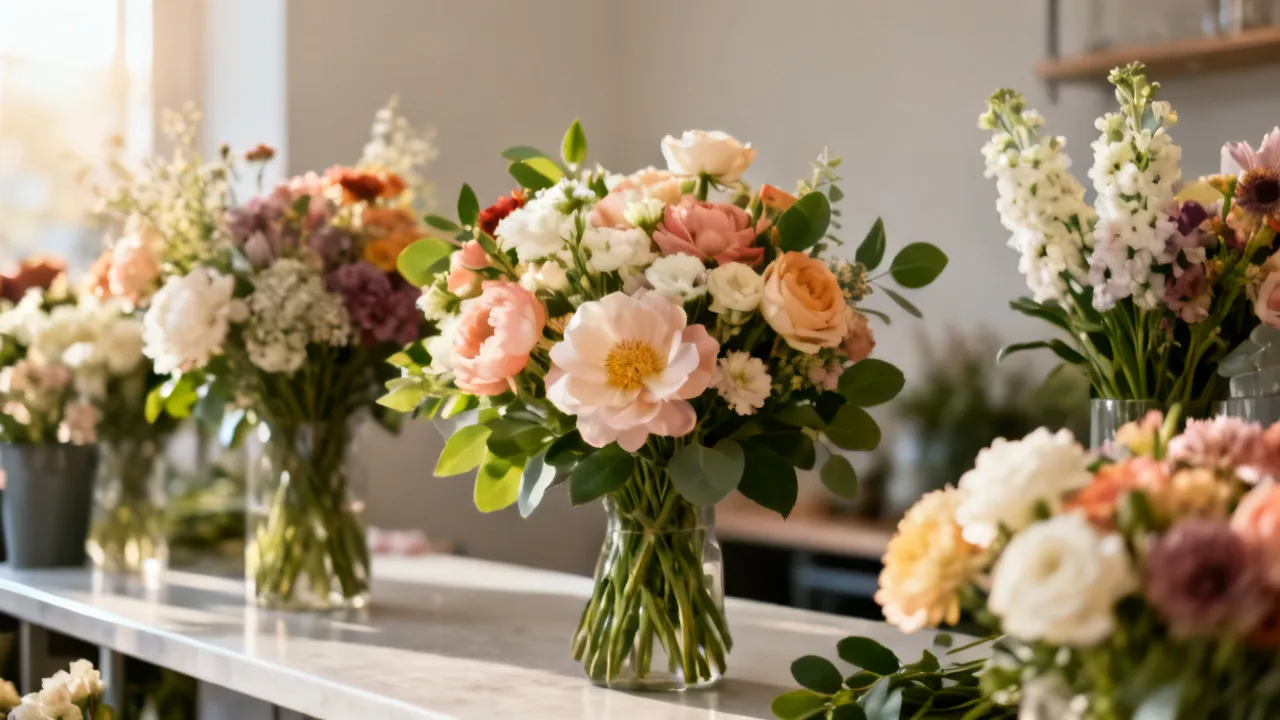
Choosing flowers with confidence: freshness, suitability, and supplier standards come first
Selecting flowers is more than matching colors—it is a decision influenced by freshness, intended use, recipient preferences, and reliable sourcing. For the top results, prioritize stems and blooms that show strong viability, then choose arrangements that fit the occasion, environment, and display conditions. An expert approach also considers how flowers are transported, hydrated, and conditioned before they ever reach a customer.
Because every order differs—wedding centerpieces, sympathy tributes, corporate gifting, or everyday home décor—the “right” choice depends on your goals: visual impact, symbolism, longevity, scent sensitivity, and budget. This guide supports that decision-making process using objective, industry-aligned criteria rather than guesswork.
What makes this approach “professional” is that it focuses on the chain of outcomes behind a bouquet, not just the bouquet itself. A flower can be beautiful at the moment it is wrapped and still fail quickly later if it was harvested too far ahead of schedule, stored at the wrong temperature, or exposed to inconsistent hydration. Conversely, the right species in the right bloom stage—paired with competent conditioning and care—can exceed expectations even when the design is simple.
Why flowers vary so much: biology, seasonality, and handling
Not all blooms behave the same. Flower species differ in how they open, droop, respond to temperature shifts, and tolerate hydration changes. Even within one variety, differences in harvest timing and post-harvest care can noticeably affect vase life and appearance.
To choose flowers with confidence, it helps to think of every stem as a living system in transition. Once cut, flowers no longer receive nutrients and water through roots. Their appearance is driven by stored carbohydrates, the ability of stem tissues to draw water up through the vascular system, and the degree to which they have been stressed before purchase.
Species-level differences are especially important. Some flowers—like many classic bridal options—are bred and grown for predictable post-cut performance. Others can be stunning but more delicate in handling, such as flowers with thin petals or blooms prone to bruising. Similarly, some types (and varieties) are more tolerant of cooler conditions, while others respond dramatically to heat or dryness.
Seasonality influences availability and quality because growing conditions and harvest schedules change throughout the year. When a florist can source what is in peak season, stems generally arrive more consistent in texture, color saturation, and bloom maturity. Conversely, blooms forced outside their typical window may show more variability—slightly different petal structure, less uniform size, or earlier decline once displayed.
Seasonality also affects competitive pricing and substitution options. In peak season, suppliers can often fill orders more reliably with the same species and similar grades. When blooms are out of season, substitution becomes more likely, and replacement stems may not have the same visual density, length, or opening behavior. This is why the “best” choice for a last-minute order may differ from the best choice for an order scheduled weeks ahead.
Post-harvest handling is another decisive factor. Flowers rely on continuous water uptake and appropriate cooling. When stems are delayed in transit, stored at unsuitable temperatures, or hydrated inconsistently, petals may bruise, edges can brown, and buds can fail to open properly. The result is not only a shorter display life, but also less predictable appearance.
Even when a flower looks fine at delivery, hidden stress can be present. Some damage is delayed: for example, buds may open but then collapse faster than expected; leaves may develop spotting a day or two later. That’s why the quality of supply chain conditioning matters just as much as the visible cue of “freshness.”
Inverted pyramid: the critical checklist before you buy
If you want a practical purchasing framework, use this prioritized checklist:
- Freshness at intake: choose stems with firm structure, healthy foliage, and buds at an appropriate stage for your timeline.
- Conditioning capability: confirm the supplier supports proper hydration and temperature-controlled handling.
- Occasion fit: align bloom choice with the setting—indoor décor, event lighting, heat exposure, and display duration.
- Budget realism: understand that flower pricing reflects quality grade, seasonal availability, stem length, and labor for arrangement work.
- Recipient preferences: consider allergies, scent sensitivity, and symbolic meaning where culturally relevant.
As a buyer, you can’t fully control harvest timing or the journey a stem took before purchase. What you can control is your decision quality: picking stems at the right developmental stage, matching them to the environment, and choosing a supplier whose operating standards reduce the risk of failure.
When you evaluate a florist or seller, try to translate your needs into measurable requirements. For example, if you need flowers to look perfect for a photo at noon, you should not only ask “Are they fresh?” but also ask whether the supplier will provide stems in a bloom stage that aligns with that timing and how they will preserve hydration before delivery.
Understanding flower “quality”: what experts look for
Industry professionals evaluate freshness through visible and structural cues. While no single sign guarantees performance, consistent indicators help reduce risk.
Think of “quality” as a combination of appearance readiness and post-cut resilience. A stem can look attractive but still decline quickly if it was harvested too mature, bruised during transport, or conditioned poorly. Conversely, a stem may look slightly less dramatic when delivered but can open and perform beautifully if it arrives well-hydrated and appropriately cooled.
- Stem firmness and straightness: resilient stems typically indicate adequate hydration and less mechanical damage.
- Bud stage: partially closed buds may open beautifully if displayed promptly, while fully open flowers can be ideal for immediate impact.
- Petal integrity: look for smooth edges without obvious bruising, tears, or spotting.
- Leaf condition: leaves should not be overly wilted or yellowing, especially for arrangements intended to last.
- Fragrance and color stability: strong, natural scent and even coloration often reflect healthy bloom development.
It is also worth noting that freshness is time-sensitive. Flowers may look acceptable at purchase but degrade faster if stored incorrectly after delivery. Therefore, supplier standards and your own care steps matter together.
To add more confidence to your selection, consider how flowers behave under observation. A well-conditioned stem tends to hold structure: petals remain aligned rather than sagging, and leaves don’t droop excessively when lightly handled. For event orders, ask for stems that have been inspected and graded—not merely packaged—so that you receive consistent quality rather than mixed visual variability.
Flowers by use case: match the biology to the environment
Different settings demand different performance characteristics. Below are common scenarios and how an expert chooses flowers to fit them.
1) Home décor and everyday gifting
For short-to-medium display times, many florists emphasize visual variety and ease of care. Select blooms with dependable vase life and sturdy petals. Consider seasonal bouquets for improved consistency and value.
In home décor, the environment is typically stable, but there are still hidden factors: sunlight, drafts from heating/cooling vents, fruit bowls that release ethylene gas, and occasional forgetting to refresh water. An expert selection favors flowers that tolerate typical household variations. You can also reduce risk by opting for arrangements with fewer “fragile” components.
For gifting, the ideal bouquet balances immediate beauty with at least a few days of graceful decline. Many people don’t want flowers to last “forever”—they want flowers that remain presentable while the recipient enjoys them. That means selecting stems that will open at a reasonable speed, rather than stems that will suddenly burst into peak bloom the same day and then fade faster.
2) Weddings and high-visibility events
Events typically require staging control: flowers must withstand handling, transport, and indoor lighting. Experts often choose varieties that can hold shape while traveling from cooler storage to venue display. Bud stage becomes crucial—too open at arrival can shorten the window for the ceremony and photos.
Wedding florals also involve unique stressors: repeated movement of boxes and vessels, humidity differences between preparation rooms and ceremony sites, and timing constraints. A wedding florist plans around the fact that some flowers open quickly once removed from cold storage, while others require more time to reach full form.
To match biology to schedule, florists often choose a bud stage that corresponds to the event timeline. For example, a bouquet designed for an early ceremony might use blossoms that are partially open, so they don’t appear underdeveloped during morning photos but also don’t reach full peak too early. Similarly, centerpieces intended to remain beautiful through multiple hours are often built using stems that hold structure longer and tolerate extended air circulation in banquet halls.
Another professional consideration is texture and resilience. Arrangements used on tables must withstand slight bumping and movement. Installations behind stages or at entrances may face different lighting: hot spot lighting can accelerate petal wilting. Skilled florists choose flowers that remain visually consistent even when they can’t control venue conditions.
3) Corporate events and receptions
These settings often involve frequent movement of people and varying room conditions. Flowers with good heat tolerance and strong structural stems tend to perform more consistently. Neutral color palettes are common for brand alignment, but the selection should still prioritize longevity.
Corporate clients frequently value a “polished” look: flowers should appear uniform, cohesive, and professional from multiple viewing angles. This favors stems with stable color and consistent form. For branded events, designers may specify a limited palette, which narrows the set of acceptable substitutions. Therefore, reliability and supplier standards become especially important because the ability to maintain a specified look can matter more than novelty.
Additionally, corporate venues can involve strict schedules for set-up. If flowers arrive too early and sit in non-ideal storage, or if they arrive too late and can’t be arranged promptly, quality may suffer. A professional buyer aligns delivery time with staging labor and storage conditions at the venue.
Finally, scent considerations can matter more in corporate spaces. Some attendees have sensitivities, and venues sometimes have air circulation systems that distribute fragrance. For this reason, florists may choose less aromatic varieties or keep fragrance concentrated in specific locations rather than across the entire event floor.
4) Sympathy and condolence tributes
In solemn contexts, quality and respectful presentation carry extra weight. Experts favor blooms that maintain dignity in color and form and avoid overly delicate petals that can bruise under transport. If you are coordinating with a funeral home or memorial schedule, plan for the time between pickup and display.
Sympathy arrangements require careful thought about texture and durability. Pastel petals and extremely fragile blooms may look lovely but can crease, bruise, or collapse faster, which can feel disrespectful during a difficult time. Many families and funeral services prefer flowers that hold their shape and maintain visual integrity even as the arrangement naturally ages.
Timing is also delicate. A condolence arrangement may need to arrive early enough to be placed properly but also may need to maintain a fresh look for a viewing period that lasts longer than typical home décor. In this scenario, bud stage and structural stems are often the priority over maximum immediate bloom size.
Another consideration is the emotional meaning embedded in color and variety. Cultural conventions may guide what is appropriate. A florist can help ensure the selection aligns with traditions while still meeting practical freshness and performance needs.
Color and symbolism: professional guidance without guesswork
Color is one of the fastest ways to communicate tone, even when you do not explicitly state a message. However, symbolism can vary by culture and personal belief. A professional approach is to treat color as “meaningful possibility” rather than universal rule.
When people seek symbolism, they often want certainty—but certainty isn’t always possible because meaning changes across regions, histories, and personal experiences. A safer approach is to begin with the tone you want to express: celebratory, respectful, comforting, hopeful, or romantic. Then select a palette that supports that tone while still aligning with what you know about the recipient’s preferences.
For example:
- White flowers often convey formality, purity, and remembrance in many places.
- Red flowers are commonly used to express intensity, affection, or celebration.
- Yellow and orange flowers are frequently associated with warmth and optimism.
- Purple flowers can suggest elegance and reflection.
If you are unsure, a florist can help you translate the tone you want into a palette that fits the relationship, event formality, and local conventions.
Also consider that color intensity can shift over a display window. Some flowers deepen in color as they mature, while others may lighten or fade. Temperature and light exposure can affect perceived vibrancy. That’s why professional selection includes both the color you see now and the color you will see at the time it matters most—an hour after delivery, at the ceremony, or when guests arrive.
If your event has a defined color theme—such as a wedding’s bridesmaid palette or a corporate brand palette—request flowers that can maintain that theme even if substitutions occur. This typically means specifying acceptable ranges for tone and saturation and choosing varieties that are visually similar in shape and scale.
How pricing works for flowers: what drives the cost
Flower pricing reflects several measurable factors. While exact prices depend on market conditions and supplier categories, the structure behind flowers pricing is fairly consistent across the industry:
- Seasonal availability: peak-season blooms are often more consistent and cost-efficient.
- Quality grade: premium grade typically means better stem uniformity, color, and fewer visual defects.
- Variety and rarity: specialty flowers may have limited supply or longer production cycles.
- Labor and design complexity: multi-layer bouquets, installs, and sculptural arrangements require more time and materials.
- Packaging and transport: temperature control, moisture management, and careful packing add cost but improve arrival condition.
Because you asked for price information and supplier details, here is a framework you can use—without inventing specific numbers—so you can evaluate quotes correctly. If you provide your target flowers, quantity, and date, a florist quote becomes far easier to validate.
To make pricing comparisons more meaningful, ask for itemized information where possible. For example, you may want to know whether the quote includes the full stem count, whether greens are included, what vase or container is used (or provided), and whether delivery involves staging time. When quotes omit these details, customers sometimes feel surprised later by what appears to be a “hidden” cost, though it may simply be an undefined scope.
It’s also wise to consider what you are optimizing. Are you optimizing for maximum bloom size? Maximum longevity? Maximum visual fullness per dollar? In practice, these can conflict. A design that looks “lush” can rely on denser petals and additional stems, which increases cost. But longevity might be prioritized by selecting different stem structures or bud maturity that holds well over time.
Finally, ask how the supplier handles substitutions if specific varieties become unavailable. A professional supplier should be able to tell you what they will substitute and how that will affect the final look and budget. If you don’t care about exact varieties but you care about palette and shape, you might be able to reduce cost while maintaining overall aesthetic goals.
Supplier evaluation: how to verify reliability
Professional florists often work with multiple sourcing channels. As a buyer, your goal is to verify whether the supplier can consistently deliver the appearance you need and the freshness you expect.
Reliability is not just whether flowers arrive on time. It also includes whether they arrive conditioned appropriately, graded to a consistent standard, and packaged to reduce bruising. Many “freshness problems” are really “transport and conditioning problems.” So when you evaluate supplier reliability, think in terms of operational maturity.
- Communication clarity: reputable suppliers discuss bloom stage, substitute policies, and delivery windows.
- Substitution standards: a supplier should have rules for replacing unavailable stems while maintaining look and budget.
- Care guidance: credible sellers provide conditioning and arrangement care instructions.
- Quality checks: ask about inspection at intake—especially if you are ordering for an event.
This is where “supplier details” matter in practice: not just name recognition, but proven consistency in conditioning and handling.
When you have an important timeline, request specifics. For example:
- Will flowers be kept in temperature-controlled storage during processing and transit?
- Are stems hydrated before packing, and how is hydration maintained during transport?
- How do they decide on bud stage for arrival performance?
- What do they do if a specified variety isn’t available—do they offer approval or proceed automatically?
- Is the final assembly performed close to delivery time to preserve freshness?
Even if you don’t understand every technical term, a supplier that answers clearly demonstrates that they have a repeatable workflow. Vague answers often indicate a more ad hoc operation, which can increase variability in outcomes.
Care and handling after delivery: protect your investment
Even the top flowers can fail when care is inconsistent. A professional care approach involves hydration, clean cutting, and environment management.
Think of after-delivery care as the final step in the chain of outcomes. It cannot fully reverse damage caused by poor transport, but it can prevent accelerated decline and help blooms open more fully. For recipients who may be busy, simple care instructions matter—a good florist should provide them in a clear, actionable format.
- Re-cut stems: trim stems at an angle to improve water uptake.
- Remove foliage below the waterline: reduces bacterial load in water.
- Use fresh water and clean containers: prevents contamination and clouding.
- Place away from heat and direct sun: avoids accelerated petal breakdown.
- Maintain a stable room temperature: flowers open and wilt differently depending on conditions.
If you are arranging multiple types together, consider their hydration needs. Some flowers prefer cooler conditions, and mixing incompatible stems can reduce overall vase performance.
Additional practical care tips that align with industry logic include:
- Change water periodically: especially for mixed bouquets with leaves or stems that release organic material.
- Prevent dehydration between steps: if the recipient needs time to set up, keep stems hydrated until the container is ready.
- Handle petals gently: bruised petals can brown quickly.
- Monitor ethylene sources: keep flowers away from ripening fruit or vegetable displays if the bouquet includes highly sensitive varieties.
For event scenarios, care also includes handling logistics. If the bouquet will be held in a hotel room before ceremony, ask the florist about appropriate storage. Many flowers perform best when kept in a cool environment with consistent hydration until staging time.
Comparison table and conditions/requirements (supplement)
Note: The comparison below is a practical framework to help you decide between common supplier and arrangement options. It is intentionally written without specific pricing claims or unverifiable supplier names.
| Decision factor | Option A: Seasonal bouquet plan | Option B: Specialty/rare variety plan |
|---|---|---|
| Expected visual consistency | Higher, when stems are in peak availability | More variable, depends on supply chain |
| Longevity outlook | Often more reliable if buds match timeline | Depends on bud stage and transport conditioning |
| Budget predictability | Typically steadier with predictable sourcing | May fluctuate due to limited supply |
| Supplier substitution policy | Substitutions usually easy to maintain a similar look | Substitutions may not fully match the intended variety |
| Top for | Very gifting, décor, and event centerpieces | Brand-specific styling, signature floral moments |
In many real-world decisions, buyers blend the two options: using seasonal “foundation” flowers for reliability and using a smaller quantity of signature blooms to deliver the “wow” element. This strategy can reduce risk while still satisfying creative goals.
Source (industry-aligned references)
- University extension and horticulture guidance: Post-harvest handling principles and vase-life considerations are commonly covered by agricultural extension services and horticultural departments. Example: Purdue University Extension (postharvest and floriculture learning materials).
- Food and Agriculture research frameworks: General post-harvest concepts for fresh produce and ornamentals inform safe handling practices. Example: FAO guidance on post-harvest loss reduction (conceptual alignment).
- Floriculture industry knowledge base: Post-harvest conditioning, hydration, and storage temperature effects are discussed in floriculture educational materials produced by universities and agricultural organizations.
When you read educational content from these sources, you’ll often see recurring themes: temperature control, hydration management, sanitation, and matching bloom stage to desired display duration. Those principles show up in the checklist and step-by-step framework in this guide.
Step-by-step guide for selecting the right flowers
- Define the occasion and timeline: When will the flowers be delivered, and how long should they look good?
- Choose the display environment: indoor lighting, temperature stability, and exposure to air conditioning or heat sources matter.
- Select a flower type strategy: prioritize reliable vase-life varieties for long display; choose statement blooms for immediate impact.
- Specify desired bloom stage: closed buds for later opening, open blooms for immediate ceremony readiness.
- Confirm supplier handling standards: ask about hydration, storage/cooling approach, and substitution policy.
- Plan for care on arrival: ensure the recipient has a clean vase, fresh water, and instructions to re-cut stems.
- Set substitution expectations: agree on acceptable alternatives that maintain your intended color and fullness.
- Review the final look: for events, request a final check with your florist before delivery when possible.
To make these steps even more useful, consider how each one ties to risk reduction:
- Timeline definition reduces the risk of choosing buds that open too fast (or too slowly).
- Environment planning reduces the risk of heat and sun accelerating decline.
- Flower strategy selection reduces the risk of “fragile beauty” that doesn’t match display duration.
- Supplier handling confirmation reduces the risk of inconsistent hydration and temperature exposure.
- Care planning reduces the risk of bacterial build-up and dehydration after delivery.
Even if you are not an expert, these steps give you control points. You are essentially selecting for performance: the arrangement’s ability to hold its look at the time you need it most.
Conditions and requirements to keep expectations aligned
- Delivery timing: flowers should be arranged for delivery close to display time when possible.
- Temperature control: flowers require stable, appropriate temperatures to prevent early wilting.
- Water hygiene: remove submerged foliage and refresh water as needed.
- Allergy considerations: confirm pollen and fragrance sensitivities if the recipient is prone to reactions.
- Handling restrictions: avoid stacking or rough transport that can bruise petals and stems.
Aligning expectations also means agreeing on what “success” looks like. For example, you may want the bouquet to look fresh for five days, not necessarily identical on day five as on day one. A realistic expectation helps you focus on what matters: petal integrity, shape retention, color stability, and overall visual fullness.
If you’re arranging for a photo session, it helps to coordinate with your florist on specific moments. Ask whether you want the flowers to appear at peak bloom at a particular timestamp. That may require selecting buds with a maturity level designed for that exact schedule.
FAQs about flowers: expert answers to common buyer questions
1) How do I pick flowers with the top vase life?
Start by selecting stems with strong structure, healthy foliage, and buds at a stage that matches your display timeline. Then prioritize suppliers that manage hydration and appropriate temperature handling. After delivery, re-cut stems, use clean containers, and keep arrangements away from heat and direct sun.
In addition, consider bouquet composition. Flowers that naturally hold posture and resist petal collapse tend to maintain a presentable look longer. If longevity is your priority, ask your florist which varieties in their current inventory have stable post-harvest performance and which ones are best reserved for short-term “wow” moments.
2) Should I choose fully open blooms or buds?
Fully open blooms provide immediate impact, but they may reach peak appearance sooner and decline earlier. Buds often offer a longer “opening window” if conditioned and displayed promptly. For events with scheduled photo times, experts often request bud stage that aligns with ceremony and reception timing.
A simple way to decide is to ask: “Do I want the flowers to be perfect when they arrive, or perfect when the recipient actually sees them?” The answer dictates whether you choose fully open blooms or buds near opening. The key is not just bloom stage, but the timing you can realistically achieve for hydration and placement.
3) Why do some flowers wilt quickly even when they look fine at delivery?
Wilting can result from inconsistent hydration during transit, bruising, unsuitable storage temperatures, bacterial build-up in standing water, or environmental stress such as heat and direct sun. Care steps—clean cutting, water hygiene, and stable room conditions—reduce these risks.
It can also happen when stems were already near end-of-life at intake. Some varieties show gradual weakening that isn’t obvious in a fresh-looking bouquet until later. That’s why supplier standards and intake inspection matter; “looks okay” at delivery can still conceal stress that shortens vase life.
4) Can I mix different flower types in one arrangement?
Yes, but it should be done thoughtfully. Flowers differ in hydration needs and how their stems interact with water and bacteria. An expert florist accounts for compatibility by arranging stems appropriately, managing foliage, and balancing the bouquet for both appearance and care practicality.
Mixing is not inherently risky, but it does increase the need for good design choices. Leaves under the waterline can increase bacterial load; incompatible hydration preferences can make the entire bouquet perform worse than the best individual flower would alone. A professional florist often considers stem length, foliage placement, and bouquet geometry to reduce these issues.
5) How can I control costs when ordering flowers?
Choose seasonal blooms for baseline consistency, request stem maturity matched to your timeline, and ask about substitution options that preserve your intended color palette. Complex designs cost more due to labor and material use, so keep the composition aligned with your budget and event scale.
You can also manage costs by selecting bouquet styles that minimize “waste.” For example, large sculptural arrangements may require additional stem quantity or specific stem lengths. Simpler designs can still look luxurious if they use strong color contrast and the right bloom stage. Ask your florist which design elements contribute most to cost so you can decide where to invest and where to simplify.
6) What does “quality grade” mean in flowers?
Quality grade relates to visual and structural consistency—stem straightness, bloom size, color uniformity, and minimal defects. Higher grades typically have fewer visual imperfections and better performance, especially for event installations and photographs.
Quality grade is not only about how flowers look at intake. It can also indicate how uniform the stems are across a bunch, which affects how a bouquet hangs, how petals align, and how predictable the arrangement looks after conditioning and placement.
7) How do I ensure supplier reliability?
Look for clear communication on bloom stage, realistic substitution policies, and care guidance. For events, confirm handling practices and delivery windows. Suppliers that explain trade-offs openly usually demonstrate professionalism and operational maturity.
Reliability also includes responsiveness. If something changes—weather delays, inventory shifts, or timing adjustments—professional suppliers communicate proactively rather than waiting until the last minute.
Industry perspective: how experts plan around uncertainty
Even experienced florists face variable supply conditions due to seasonality, weather effects on crops, and transportation constraints. What separates high-performing orders is not perfection, but planning. Experts reduce uncertainty through staged bloom selection, substitution rules that preserve the overall design, and coordination on delivery timing.
In other words, when people think they are “buying flowers,” they are actually purchasing a chain of outcomes: harvest timing, conditioning, transport, and final presentation. Your top strategy is to choose flowers and a supplier plan that align with your schedule and display conditions.
Professional planning also includes contingency design. If a specific shade is unavailable, a reliable florist can select another hue that preserves the intended tone. If certain stems are shorter than expected, they can adjust arrangement geometry—tilting, layering, and focusing volume where it will be most visible. This isn’t “making do”; it’s creative execution guided by operational standards.
Another expert principle is aligning bloom stage with human perception. People often notice flowers most strongly at the moment of greeting or first reveal. A bouquet that is slightly more bud-forward may appear more “alive” over time because it continues to open, whereas a bouquet that is fully open at delivery can look spectacular briefly and then decline quickly. Experts intentionally choose which experience they want to deliver.
Practical buying scenarios you can copy
Scenario A: Last-minute bouquet for a same-day visit
- Choose a bouquet featuring blooms ready for immediate viewing.
- Request fully open flowers or buds that are near opening.
- Plan for re-cutting and hydration on arrival.
For last-minute gifting, prioritize practicality. If the recipient will likely need time before placing flowers in water, ask your florist to consider stems that are resilient enough to tolerate a short delay. Also confirm whether the bouquet comes in water-ready packaging or whether additional hydration steps are needed immediately upon arrival.
Scenario B: Centerpieces for a multi-hour event
- Select varieties known for stable appearance under indoor conditions.
- Coordinate bud stage with the event schedule to avoid early full opening.
- Confirm packaging and transport handling with your florist.
For events, the “most important” time might not be delivery time. It might be when guests enter, when the first speeches begin, or when the photographer returns to capture tables before dessert. To optimize for that, ask your florist to consider bud stage and to plan for staging between arrival and guest appearance.
It can also help to specify the centerpiece vessels. Are they already on-site? Are they filled in advance? Will there be staff available to refresh water if needed? Many centerpiece failures are logistics failures, not flower failures. Professional planning includes the full setup workflow.
Scenario C: Long-lasting décor with minimal maintenance
- Prioritize structured stems and flowers that hold form.
- Keep the display away from heat sources and direct sunlight.
- Use clean water practices and remove submerged leaves.
Long-lasting décor is a “set it up and maintain it gently” scenario. Buyers can reduce maintenance by selecting flowers that don’t require constant adjustments and by designing arrangements that minimize fallen petals and leaves. A florist can also recommend placement and care routines that are realistic for your schedule.
If you know the display will be in a busy area—near a doorway, in a kitchen with steam, or in a room with frequent thermostat changes—choose flowers that tolerate typical fluctuations. This helps maintain a consistent look without needing intensive daily care.
Conclusion: choose flowers like a professional—based on evidence and fit
Buying flowers becomes simpler when you treat each order as a design-and-performance problem. Freshness indicators, correct bloom stage, reliable supplier handling, and proper after-delivery care collectively determine how your flowers look and last. Use the checklist, apply the step-by-step guide, and ask the right questions so your final selection aligns with the occasion, your timeline, and your expectations.
When you approach floral shopping with these principles, you move from guesswork to control. You start selecting stems that can handle real-world conditions, not just specimens that look good under ideal display. And when a bouquet still needs adjustment—through substitutions, careful staging, or recipient-friendly care instructions—you will be ready to make those choices confidently.
-
1

A Guide to Cost-Efficient Small Electric Cars for Seniors
-
2
Mastering Debt Consolidation: Boost Your Credit Score and Manage Interest Rates
-
3
Your Guide to Loans, Credit Checks, and Interest Rates
-
4
Affordable Independent Living: Finding the Right Senior Housing
-
5
Guide to Senior Living Apartments: Affordable and Comfortable Environments